

Beyond the Load Limit: Protecting African Fleets from Suspension Wear and Profit Erosion
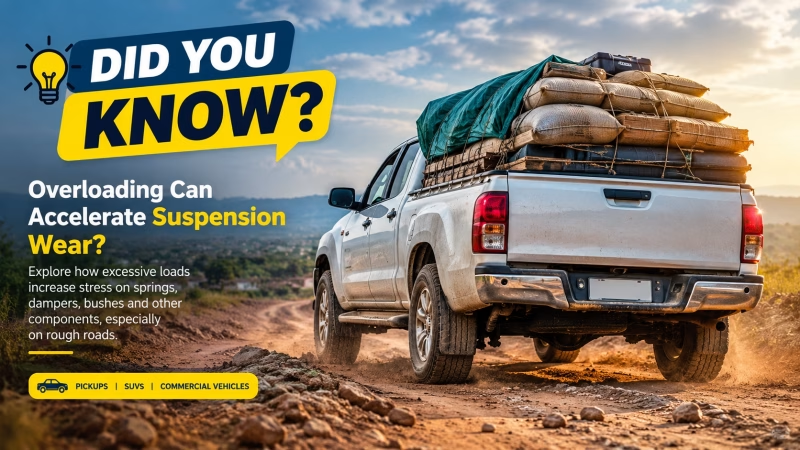
In the dynamic and often challenging landscape of African logistics, commercial vehicles, pickups, and SUVs are the backbone of commerce, transporting everything from agricultural produce to construction materials across vast and varied terrains. While the capacity to carry significant loads is a core requirement, the persistent practice of operating vehicles at or beyond their specified payload limits presents a silent, yet substantial, threat to operational efficiency and long-term profitability. For Africa’s automotive aftermarket, fleet operators, and spare parts distributors, understanding the intricate relationship between vehicle loading and suspension integrity is not merely a technical consideration, but a critical strategic imperative influencing maintenance budgets, vehicle uptime, and supply chain resilience.
Vehicle suspension systems are engineered with precision, designed to manage specific weight distributions, road conditions, and dynamic forces. When these parameters are exceeded, the entire system—comprising springs, shock absorbers, bushes, and mounting points—is subjected to stresses far beyond its intended design limits. Springs, whether coil or leaf, bear the brunt of the excess mass, leading to premature fatigue, sagging, and reduced suspension travel. This diminished travel increases the likelihood of bottoming out on uneven surfaces, delivering harsh impacts that propagate through the chassis. Concurrently, shock absorbers are forced to work harder, generating excessive heat and struggling to dampen exaggerated spring oscillations, compromising vehicle stability and tyre contact, especially on Africa's often corrugated or potholed roads. This accelerated degradation directly translates into a heightened demand for replacement components across the continent.
The Commercial Imperative: Aftermarket Demand and Fleet Costs
The commercial ramifications of accelerated suspension wear are profound for African businesses. For fleet operators, this translates directly into escalating maintenance costs, as components require more frequent replacement. Beyond the cost of parts and labour, the most significant impact is often vehicle downtime. A commercial vehicle sidelined for suspension repairs means lost revenue, disrupted supply chains, and potential penalties for delayed deliveries. For aftermarket distributors and spare parts importers, this creates a consistent, high-volume demand for robust, reliable suspension components. However, it also necessitates a strategic approach to inventory management, ensuring the availability of quality springs, shock absorbers, control arm bushes, and ball joints that can withstand the rigorous operating conditions prevalent across the continent.
Across diverse sectors—from agriculture in East Africa to mining and construction in Southern and West Africa, and general logistics continent-wide—the strain on vehicle suspensions is a shared challenge. This widespread operational reality shapes the regional aftermarket landscape, driving demand for durable solutions. Importers and distributors must navigate complex supply chains to bring in components that meet both quality and cost-effectiveness criteria for a price-sensitive market. Moreover, the prevalence of counterfeit parts poses a significant risk, as substandard suspension components can fail prematurely, exacerbating safety concerns and further eroding fleet profitability. Establishing trusted partnerships with OEM suppliers and reputable aftermarket manufacturers becomes paramount to ensuring the integrity and longevity of repairs.
Strategic Maintenance: Quality Parts and Proactive Management
Mitigating the impact of overloading requires a multi-pronged strategy centered on preventative maintenance and the judicious selection of quality parts. Businesses must strictly adhere to manufacturer-specified payload limits, ensuring cargo is distributed evenly and securely. Regular inspections of suspension components—checking for sagging springs, leaking shock absorbers, worn bushes, and damaged mounts—are essential for early detection of issues before they escalate into costly failures. For dealerships and independent workshops, advocating for and supplying genuine OEM or high-quality aftermarket suspension components is crucial. These parts are designed to meet stringent performance and durability standards, offering a superior return on investment compared to cheaper, inferior alternatives that may offer short-term savings but lead to long-term operational headaches.
This pervasive challenge also presents significant opportunities for dealerships and independent automotive workshops across Africa. By positioning themselves as experts in heavy-duty vehicle maintenance and suspension diagnostics, they can become invaluable partners to fleet operators. Offering comprehensive suspension health checks, specialized repair services, and access to a reliable inventory of quality replacement parts can build customer loyalty and drive revenue. Furthermore, providing training and educational resources to fleet managers and drivers on proper loading techniques, weight distribution, and the signs of suspension wear can empower businesses to proactively manage their assets, reducing unexpected breakdowns and extending vehicle lifespans. This consultative approach elevates the workshop from a repair centre to a strategic partner in operational efficiency.
Ultimately, the sustained health of a vehicle’s suspension system is inextricably linked to the financial health of businesses operating across Africa. In an environment where every operational cost is scrutinized, proactively addressing the challenges posed by vehicle overloading through adherence to payload limits, diligent maintenance, and the strategic procurement of quality spare parts is not just good practice—it is a fundamental pillar of sustainable commercial transport. For the automotive aftermarket, this represents a continuous, evolving demand for robust solutions and expert services, reinforcing its pivotal role in keeping Africa’s vital transport arteries flowing smoothly and profitably.