

Hyundai's Nigerian SUV Expansion: Aftermarket Opportunities for African Distributors
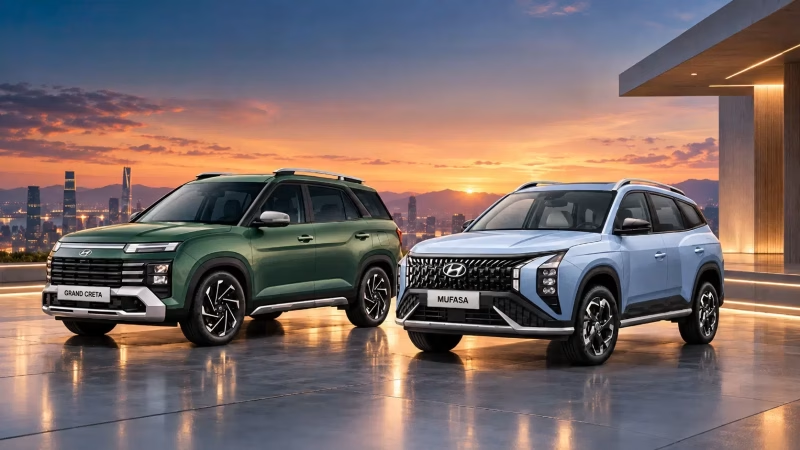
The recent introduction of the Hyundai Mufasa and Grand Creta to the Nigerian market by Hyundai Motors Nigeria represents more than just an expansion of the brand's Sport Utility Vehicle (SUV) line-up; it signals a significant strategic move with profound implications for the automotive aftermarket, spare parts distributors, and fleet operators across West Africa. As Africa's most populous nation and a key economic driver, Nigeria's automotive sector offers a crucial barometer for regional trends. Hyundai’s calculated deployment of these two distinct SUV models aims to capture diverse market segments, from the urban professional seeking modern aesthetics and practicality to larger families and commercial entities requiring enhanced passenger capacity and versatility.
The Mufasa, positioned as a contemporary five-seat SUV, targets a growing demographic valuing bold styling, advanced technology, and everyday usability. Its 2.0-litre Smartstream MPi petrol engine and six-speed automatic transmission offer a balance of performance and efficiency, critical factors for Nigerian consumers and fleet managers alike. Complementing this, the Grand Creta’s three-row, seven-seat configuration directly addresses the demand for spacious, adaptable interiors, making it an attractive proposition for ride-hailing services, corporate shuttles, and large family transport. Both models, while distinct, share Hyundai’s commitment to quality and innovation, setting a new benchmark for competition in this highly contested segment.
Aftermarket & Spare Parts Supply Chain Impact
For auto parts importers and aftermarket distributors, the arrival of the Mufasa and Grand Creta necessitates a proactive re-evaluation of inventory strategies and supply chain readiness. Both models introduce new components, particularly in their advanced infotainment systems, safety features, and specific body panels, which will drive demand for genuine spare parts. While the 2.0-litre Smartstream engine platform suggests some commonality in powertrain components, distributors must meticulously identify unique parts for each model to ensure comprehensive coverage. The emphasis on robust after-sales support by Hyundai Motors Nigeria, as highlighted by Gaurav Vashisht, General Manager of Sales and Marketing, underscores the importance of a reliable and accessible genuine parts supply network. This commitment is vital for maintaining vehicle uptime, customer satisfaction, and the overall brand perception in a market where parts availability can significantly influence purchasing decisions and total cost of ownership (TCO).
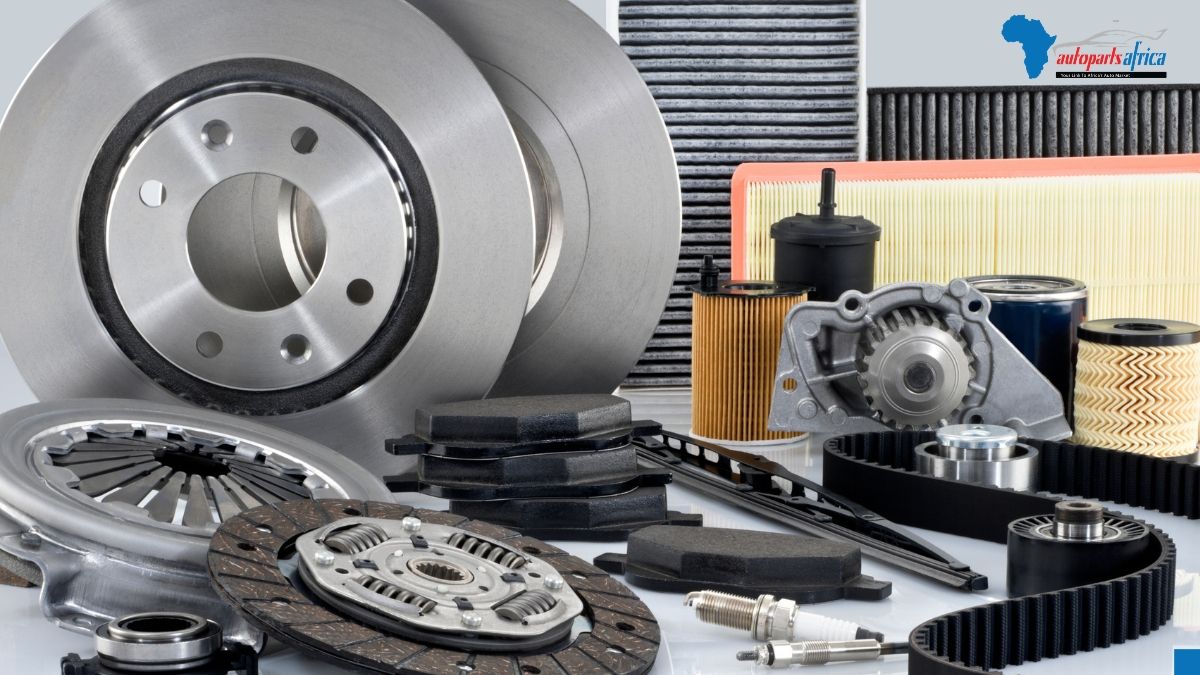
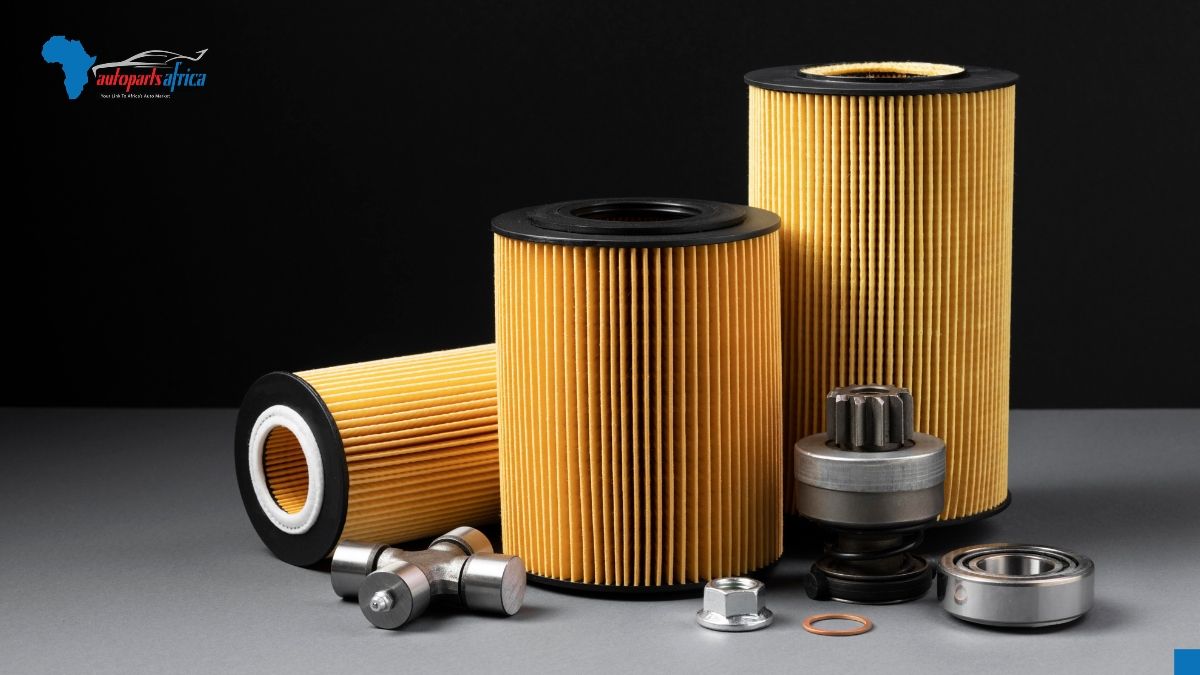
Moreover, the influx of these new models will inevitably stimulate demand for specific maintenance items, including filters, brake components, and service kits tailored to their specifications. Independent workshops and service centres will require access to updated diagnostic tools, technical training, and genuine or high-quality aftermarket equivalents to service these vehicles effectively. This presents a substantial opportunity for suppliers of workshop equipment, lubricants, and filtration systems to align their offerings with Hyundai’s latest technologies. The challenge lies in mitigating the proliferation of counterfeit parts, a persistent issue in the African market, by ensuring competitive pricing and efficient distribution channels for authorised components.

Fleet Relevance & Dealership Operational Readiness
The seven-seat Grand Creta, in particular, holds immense potential for fleet operators in Nigeria. Its flexible seating, robust engine, and focus on comfort and safety make it an ideal candidate for corporate fleets, tourism operators, and the burgeoning ride-hailing sector. Fleet managers will be keenly assessing factors such as fuel efficiency, service intervals, and the long-term durability of components. For dealerships, this means not only stocking the vehicles but also developing specialised fleet sales programs, offering competitive service contracts, and ensuring a rapid turnaround for maintenance and repairs to minimise downtime for commercial clients. The Mufasa, with its modern styling and practical features, could also find a niche in executive fleets or as a company car for mid-level management.
To capitalise on these new offerings, Hyundai’s authorised dealership network must enhance its operational readiness. This includes investing in technician training programs specific to the Mufasa and Grand Creta, upgrading service bay equipment, and optimising spare parts inventory management systems. An efficient logistics framework for parts distribution across Nigeria’s diverse regions will be paramount. Furthermore, dealerships will need to leverage digital platforms for customer engagement, service scheduling, and parts ordering to meet the expectations of a technologically savvy customer base. The strategic expansion reinforces Hyundai’s long-term commitment to the Nigerian market, creating a ripple effect of opportunities and challenges across the entire automotive value chain, from import logistics to end-user maintenance.