

Kenya's Rainy Season: Driving Aftermarket Demand and Fleet Resilience in East Africa
Kenya's annual rainy season, characterized by intense downpours and challenging road conditions, is more than just a meteorological event; it's a predictable catalyst for the automotive aftermarket and a critical period for fleet operators across East Africa. As heavy rainfall impacts visibility, road integrity, and vehicle performance, the imperative for robust maintenance, strategic parts supply, and enhanced safety protocols becomes paramount. For importers, distributors, OEM suppliers, and dealerships, understanding these seasonal shifts is key to optimizing inventory, service offerings, and operational resilience.
At the forefront of wet-weather safety lies tyre technology, a domain where brands like Michelin are actively innovating. The emphasis on products such as the Michelin Primacy 5, engineered for superior grip and braking performance in wet conditions, highlights a significant market opportunity. For parts importers and distributors, this translates into a consistent, seasonal surge in demand for high-performance tyres that offer enhanced hydroplaning resistance and shorter braking distances. Strategic stocking of such premium tyres is not merely about meeting sales targets; it’s about empowering commercial fleets with the necessary components to maintain uptime and ensuring passenger vehicle safety, thereby fostering long-term customer loyalty through reliable product availability and performance.
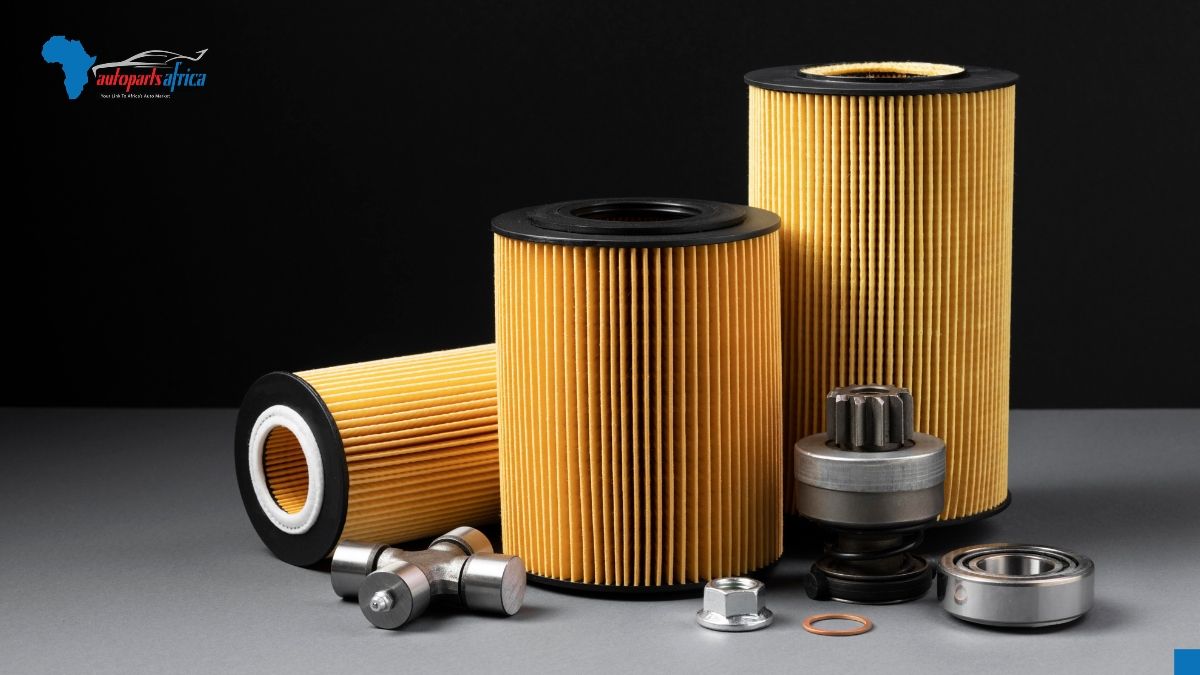
Beyond tyres, the broader vehicle ecosystem demands attention. Effective visibility components – including robust headlights, brake lights, indicators, and high-performance windshield wipers – are non-negotiable for safe operation. This creates a consistent demand for quality aftermarket lighting solutions and durable wiper blades, presenting significant sales opportunities for distributors and service centres. Furthermore, the impact of damp conditions on electrical systems, particularly vehicle batteries, is often underestimated. Dealership service departments and independent workshops can proactively offer battery health checks and replacement services, leveraging this seasonal vulnerability to drive after-sales revenue and enhance overall vehicle reliability, preventing costly breakdowns for commercial fleets.
Aftermarket & Fleet Resilience in Adverse Conditions
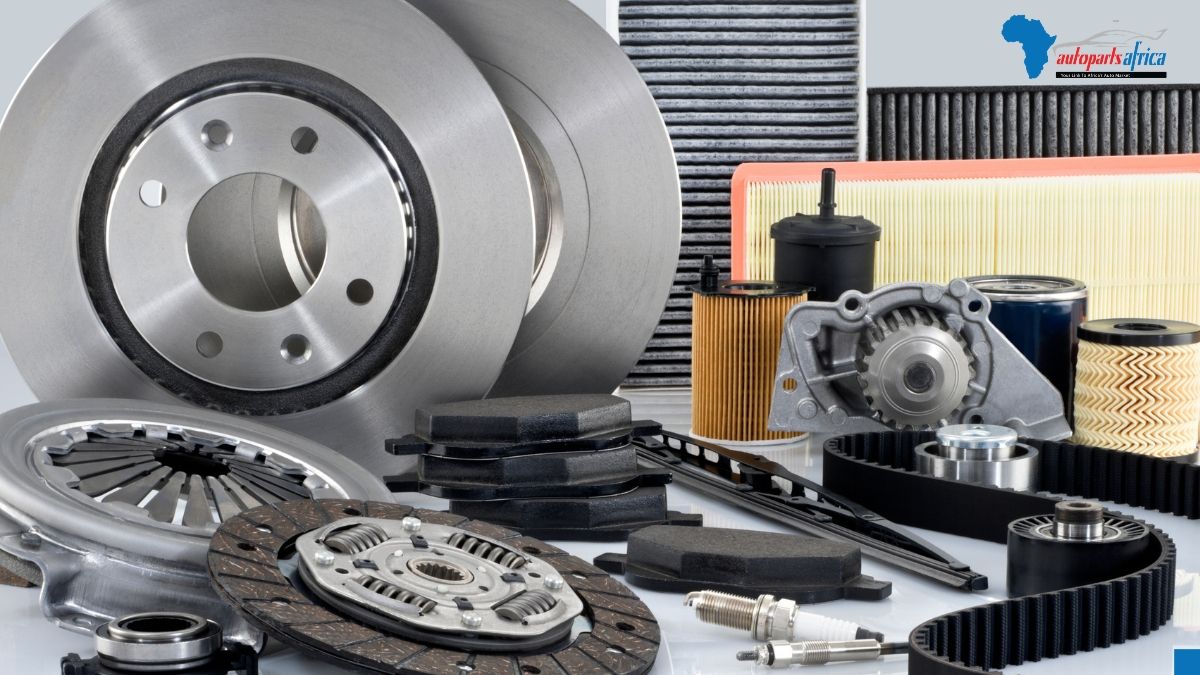
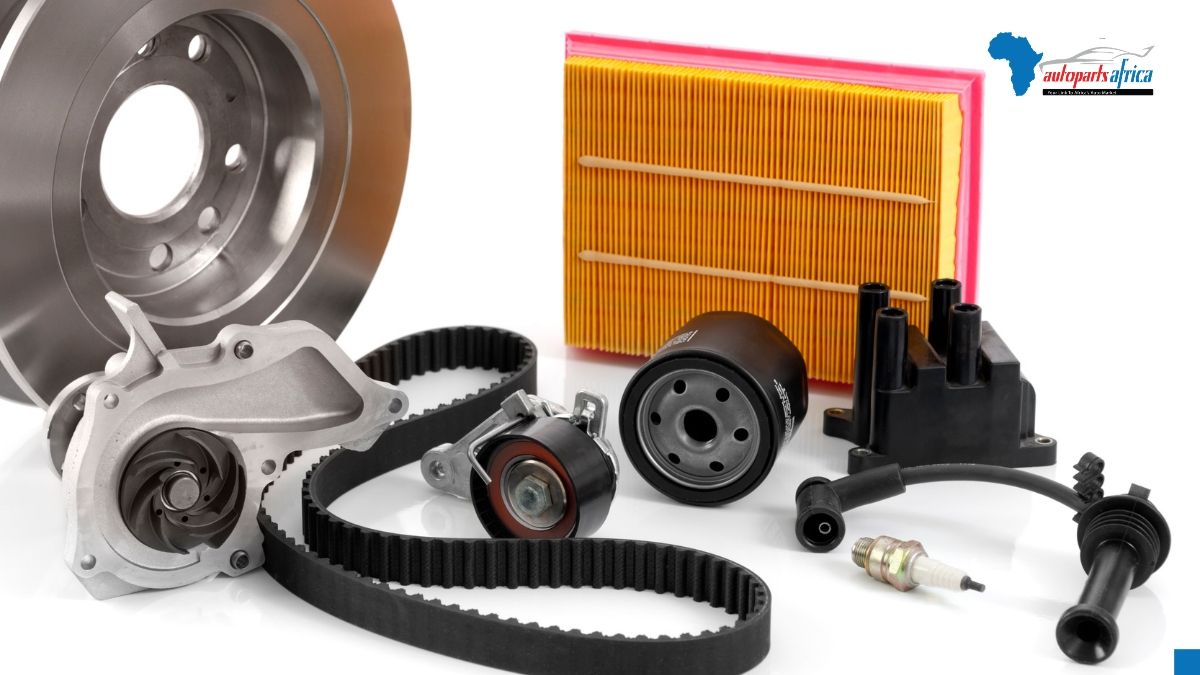
Amaury Vadon, Vice President for Sales in Africa, India & the Middle East and Commercial Director Sub-Saharan Africa at Michelin, rightly emphasizes the need for drivers to adjust their behaviour. For fleet operators, this translates into a critical need for comprehensive driver training focused on wet-weather protocols, including reduced speed, increased following distance, and avoiding sudden braking or cornering. Such training, coupled with rigorous preventative maintenance schedules, directly impacts fleet uptime, reduces accident rates, and lowers overall operational costs. This proactive approach fuels demand for a wide array of spare parts, from braking components and suspension systems to advanced filtration and electrical connectors, as vehicles endure the heightened stresses of adverse conditions.
Strategic Supply Chain & Dealership Opportunities
For importers and distributors across the East African region, the rainy season acts as a predictable catalyst for specific product categories. Strategic inventory planning for high-demand items like premium tyres, heavy-duty batteries, advanced wiper systems, and quality lighting units becomes crucial. Ensuring a steady supply chain, from sourcing to last-mile delivery, is paramount to capitalize on this seasonal demand. Dealerships, on the other hand, can leverage these conditions by developing and marketing specialized 'Rainy Season Readiness' service packages. These comprehensive packages, encompassing detailed tyre inspections, battery diagnostics, brake system checks, and wiper blade replacements, not only boost service revenue but also reinforce the dealership's commitment to customer safety and vehicle longevity, often promoting genuine OEM or approved aftermarket parts that guarantee performance.
The Kenyan market, with its dynamic automotive landscape and significant commercial transport sector, serves as a vital indicator for the broader East African region. The lessons learned from navigating its challenging rainy seasons – from the critical role of advanced tyre technology to the necessity of robust electrical systems and comprehensive fleet management – are directly transferable across the continent. As regional economies continue their trajectory of growth, so too will the demand for reliable vehicles and, crucially, the high-quality spare parts and maintenance services that keep them operational. Companies that strategically align their product offerings and service models with these predictable seasonal demands will not only enhance road safety but also secure a significant competitive advantage in this vital and expanding market segment.