

Streamlining Vehicle Imports: Absa-Cars Kenya Partnership Reshapes East African Automotive Financing

The East African automotive sector, particularly in Kenya, is witnessing a transformative shift in vehicle procurement and financing with the strategic alliance between Absa Bank Kenya, Cars Kenya, and Shekel Mobility. This integrated partnership is poised to fundamentally redefine the complex process of importing vehicles, offering a coordinated solution that spans sourcing, shipping, customs clearance, local registration, and crucial asset financing. For businesses operating within Africa's dynamic automotive aftermarket, this collaboration signifies more than just simplified transactions; it promises enhanced predictability in vehicle flow, which directly impacts spare parts demand, service centre operations, and overall supply chain efficiency across the region.
Historically, the journey of importing a vehicle into Kenya has been fraught with logistical hurdles and fragmented financial processes. Buyers, whether individual entrepreneurs or large fleet operators, often navigate a labyrinth of independent service providers, leading to delays, unforeseen costs, and a lack of transparency. This new framework, however, consolidates these disparate elements: Cars Kenya leverages its expertise in vehicle sourcing and import coordination, Shekel Mobility provides the essential technological backbone for seamless process management, and Absa Bank Kenya anchors the initiative with its robust asset financing capabilities, including credit assessment and disbursement. This integrated approach is designed to provide a single, coherent pathway, reducing the operational burden on dealerships, fleet managers, and aftermarket distributors who rely on a consistent supply of vehicles.
The partnership's emphasis on transparency and early clarity is a significant boon for commercial entities. As Sammy Wanjema, Managing Director of Cars Kenya, articulated, the goal is to transform vehicle acquisition from a confusing journey into an exciting step towards ownership. For dealerships, this means a more predictable pipeline of inventory, enabling better sales forecasting and stock management. Fleet operators can plan expansions or replacements with greater confidence, knowing the full scope of costs and timelines upfront. This clarity extends to the financing aspect, where Absa Bank Kenya, while maintaining its rigorous lending standards, ensures that eligible clients understand the requirements, terms, and conditions from the outset, including the potential for up to 100% financing for premium clients, subject to assessment.
Aftermarket & Supply Chain Implications
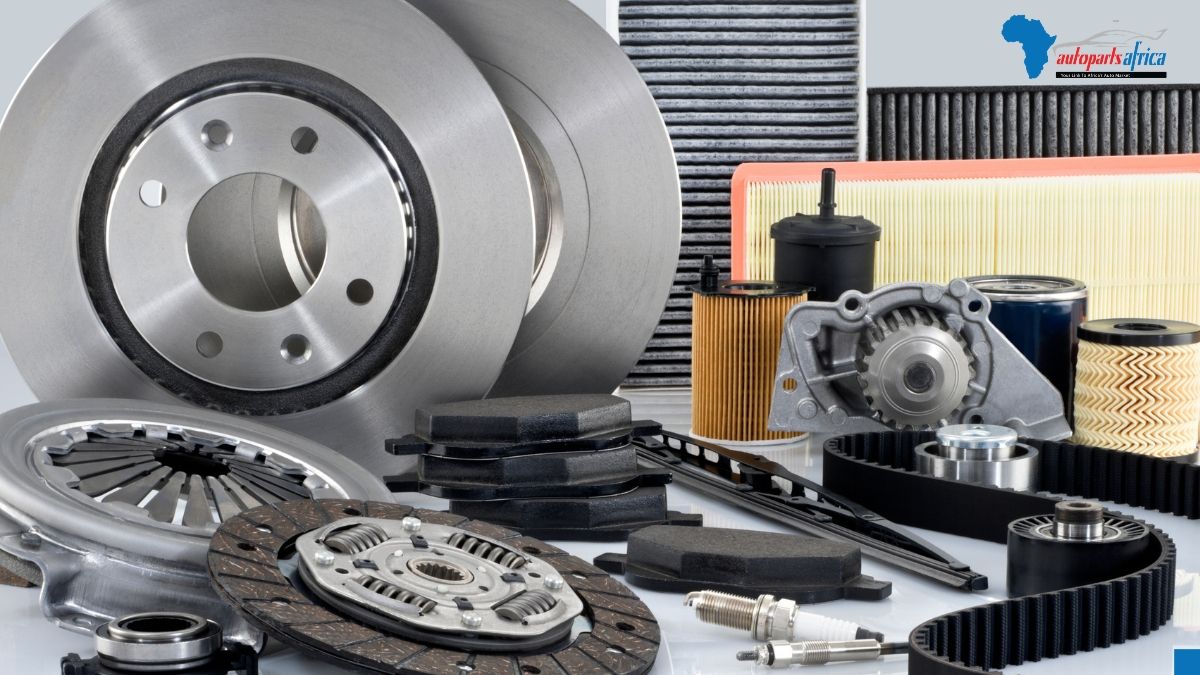
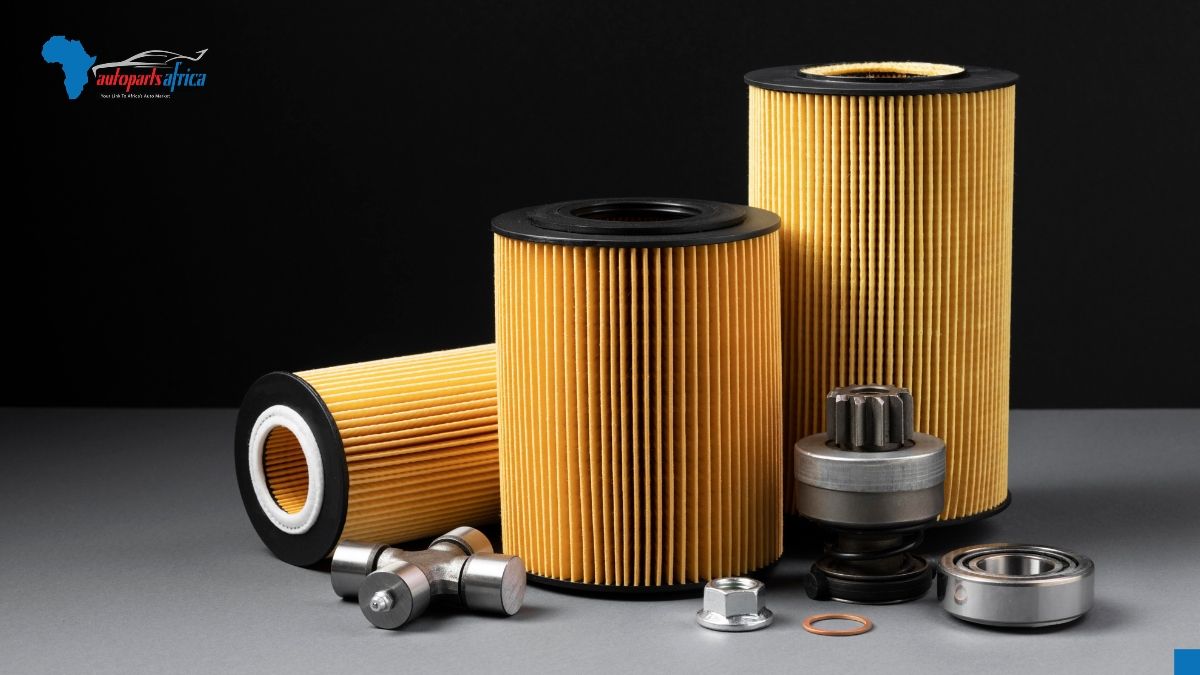
The implications for the aftermarket and supply chain are profound. A more efficient and reliable vehicle import process directly translates into a more stable and predictable demand for spare parts, lubricants, and maintenance services. As more vehicles enter the market through streamlined channels, aftermarket distributors can better anticipate inventory needs for common wear-and-tear components, such as filters, brake pads, suspension parts, and electrical components, particularly for popular Japanese models. This improved foresight allows for optimized stock levels, reduced carrying costs, and enhanced service delivery to end-users, fostering a healthier and more competitive aftermarket ecosystem. Furthermore, the partnership's focus on transparency in costs and processes can lead to a more standardized pricing structure for imported vehicles, indirectly influencing the valuation of parts and services.
For fleet operators and workshops, the benefits are equally compelling. Reduced lead times for vehicle acquisition mean fleets can be expanded or updated more rapidly, minimizing downtime and maximizing operational efficiency. The availability of structured financing also alleviates capital expenditure pressures, allowing businesses to invest in newer, more efficient vehicles that might require different sets of spare parts or specialized maintenance. This could drive demand for training in new vehicle technologies and the stocking of specific OEM or high-quality aftermarket parts tailored to these newer models, creating new opportunities for parts suppliers and service providers.

Regional Market Dynamics and Future Outlook
Beyond Kenya, this integrated model holds significant potential as a blueprint for other East African markets facing similar challenges in vehicle importation and financing. The success of this collaboration could inspire similar partnerships in Tanzania, Uganda, or Rwanda, where the demand for imported vehicles, both new and used, continues to grow. Such regional expansion would not only streamline vehicle access but also foster a more harmonized and efficient automotive trade landscape across the East African Community, benefiting cross-border parts distribution and service networks. This initiative underscores a growing trend of financial institutions actively engaging with the automotive sector to unlock market potential and support economic growth.
In conclusion, the alliance between Absa Bank Kenya, Cars Kenya, and Shekel Mobility represents a pivotal advancement for Kenya's automotive sector. By dismantling the traditional barriers to vehicle importation and financing, it offers a more predictable, transparent, and accessible pathway for dealerships, fleet operators, and ultimately, the entire aftermarket supply chain. This strategic integration is set to drive efficiency, foster greater business confidence, and stimulate sustained growth within East Africa's vibrant automotive industry, ensuring that businesses are better equipped to meet the evolving demands of their customers and maintain a robust operational framework.