

Durban's Ogihara Plant: Catalysing African Automotive Self-Sufficiency and Aftermarket Growth
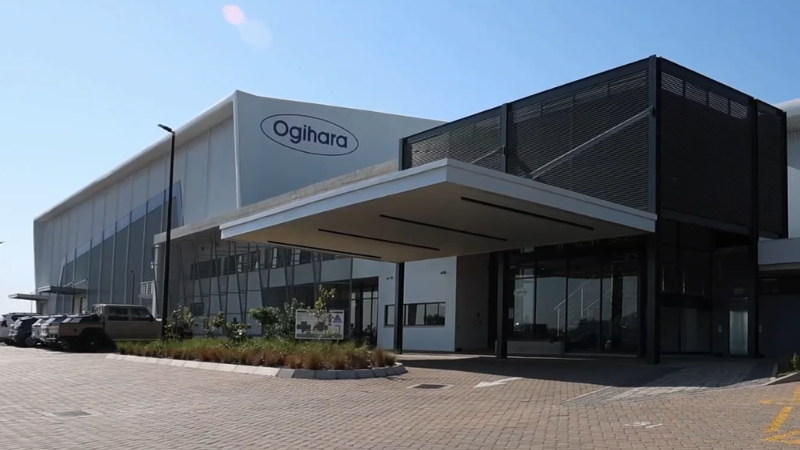
The recent inauguration of Ogihara South Africa's expansive 35,000 m² manufacturing and assembly plant in Durban represents far more than just a new industrial facility; it signals a pivotal strategic shift for the entire African automotive ecosystem. At a time when global economic uncertainties often lead to retrenchment, this significant investment stands as a powerful testament to South Africa's enduring potential as a manufacturing hub and a critical player in the continent's automotive future. For importers, aftermarket distributors, OEM suppliers, and fleet operators across Africa, this development heralds a new era of enhanced supply chain resilience, localized content, and ultimately, greater operational efficiency and cost predictability.
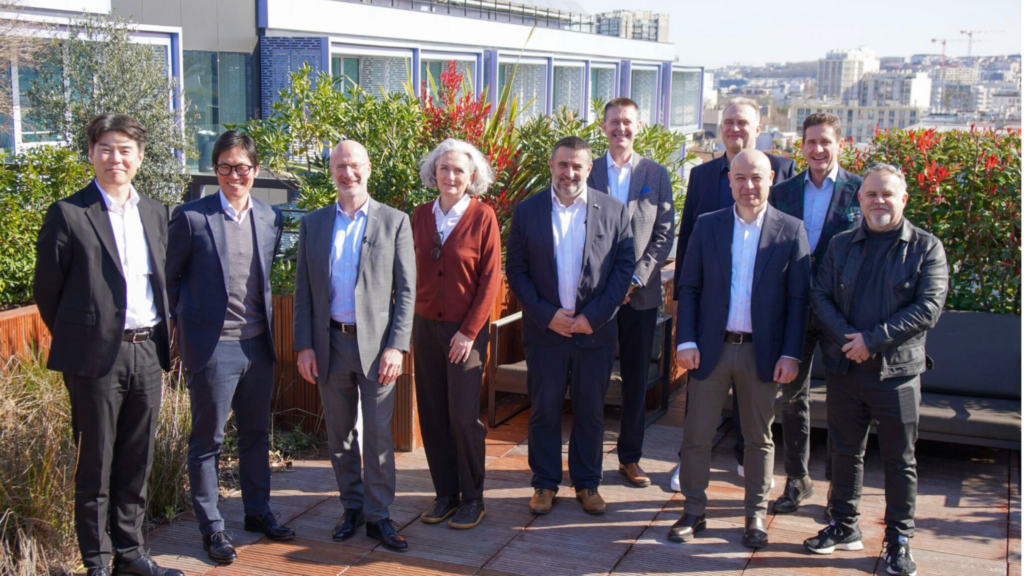
This move towards deeper localization of high-quality automotive parts is a direct response to the increasing demand for robust, regionally-sourced components. The global automotive industry has, in recent years, grappled with unprecedented supply chain disruptions, escalating logistics costs, and volatile international trade dynamics. By bringing critical manufacturing capabilities closer to the point of consumption, Ogihara South Africa is not merely creating jobs; it is fundamentally re-engineering the supply chain for greater stability and responsiveness. As highlighted by leaders at Toyota Tsusho Africa, increased localization is a strategic imperative designed to boost competitiveness, build resilience against external shocks, and significantly expand the industrial capabilities within the region, fostering a more self-sufficient automotive landscape.
Aftermarket & Supply Chain Resilience
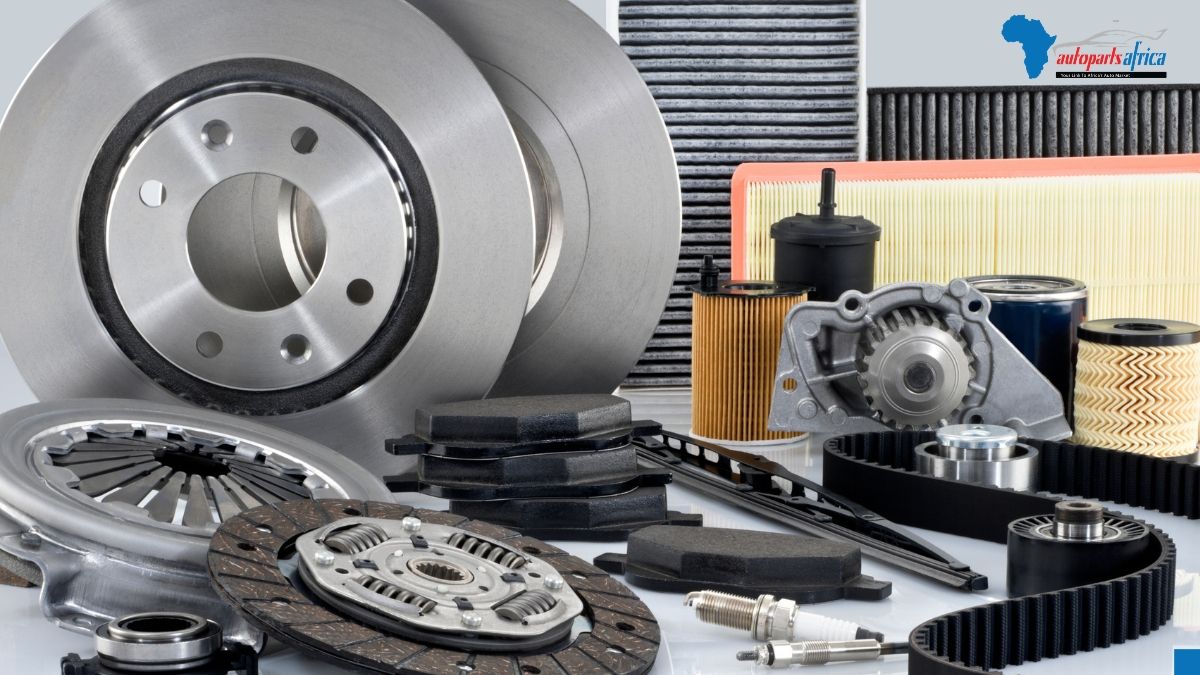
For the aftermarket sector, the implications of Ogihara's Durban facility are profound. Localized production of high-quality automotive parts translates directly into reduced lead times, lower import duties and logistics costs, and a more stable pricing structure for distributors and workshops. This mitigates the risks associated with currency fluctuations and international shipping delays, which have historically plagued the supply of spare parts across Africa. Fleet operators, in particular, stand to benefit immensely from improved parts availability and reduced downtime, directly impacting their operational profitability and service delivery. The ability to source critical components domestically strengthens the entire after-sales value chain, ensuring that vehicles on African roads can be maintained with greater efficiency and reliability.
Moreover, this localization initiative fosters a more integrated and efficient supply chain for original equipment manufacturers (OEMs) operating within South Africa and potentially the broader Southern African Development Community (SADC) region. With components manufactured locally, OEMs can achieve greater agility in their production lines, reduce inventory holding costs, and enhance their overall operational efficiency. Dealerships, as the frontline for vehicle sales and service, will experience a more consistent and predictable supply of genuine parts, bolstering customer satisfaction and service quality. This symbiotic relationship between local manufacturing and the broader automotive ecosystem creates a virtuous cycle of growth and innovation.
Regional Economic Catalyst and Future Prospects
Beyond the immediate automotive sector, the Ogihara investment creates a significant economic ripple effect. The establishment of such a large-scale manufacturing plant generates substantial direct employment opportunities across the value chain, from skilled technicians and engineers to logistics personnel. Crucially, it also stimulates growth among local suppliers and small businesses that can provide ancillary services, raw materials, or support infrastructure. This fosters skills development, technology transfer, and contributes to the broader industrialization agenda of South Africa, positioning it as an even more attractive destination for future foreign direct investment in advanced manufacturing.
Looking ahead, the success of localization efforts in South Africa, exemplified by Ogihara's commitment, could serve as a powerful blueprint for other African nations seeking to bolster their own automotive industries. As intra-African trade agreements mature, the potential for South African-produced automotive parts to be exported across the continent increases, further integrating regional supply chains and reducing Africa's overall reliance on extra-continental imports. This vision of a more self-reliant and interconnected African automotive market is not just aspirational; it is becoming increasingly tangible through strategic investments like the Durban plant, promising a future of enhanced competitiveness and sustainable growth for all stakeholders.