
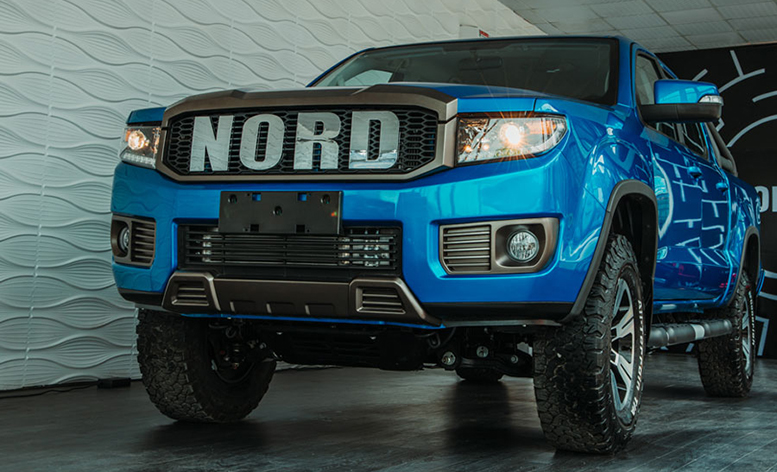
The Nigerian auto industry is set to witness a boost with the entry of a fully Nigerian auto company, the Nord brand of automobiles cutting across passenger and commercial vehicles. The five Nord models assembled in Lagos and unveiled are the Nord sedan A3; the Nord SUV A5; Nord Flit mini bus; Nord Max pick up; and Nord Tank pickup. Nord Automobiles is a Nigerian automotive manufacturer with headquarters in Lagos, Nigeria that aims to produce an indigenous made-in-Nigeria automobile brand. The company’s operations focus on delivering quality expertise in the value chain – which includes the design, sourcing, development, assembling, distribution, marketing, provision of sales and after-sales service of its unique Nigerian branded automobiles. Nord fleet of Nigerian branded vehicles include the Nord Max, Flit bus, Aso truck, Lasgi big bus, Q3 sedan, Q5 SUV, Nord Yarn, Ben SUV and the Urban sedan. Nord Automobiles aims to: Design and alignment of vehicles in Nigeria and Sub-Saharan Africa to fit the local climate. Offer affordable and durable vehicles. Offer easy access to best-in-class after-sales quality service. Build a reliable and credible Nigerian auto brand According to Oluwatobi Ajayi, Chief Executive Officer of Nord Automobiles, the company aims to stop the importation of substandard vehicles into Nigeria, and to drastically reduce the huge amounts spent annually on automobile imports from overseas markets. He stated that the fast-evolving Nigerian market has shown a strong demand for vehicles that are stylish, comfortable and have premium features, hence, Nord models have come to meet the demand. With the launch of these vehicles, he added, “we aim to exceed expectations by offering our customers world standard products at very competitive prices.” “The Nord vehicles are designed for the discerning customer, who craves daily satisfaction and full automobile experience. They are a perfect combination of style, performance and fuel efficiency,” he said. Made in Nigeria The Nord assembly plant is located on a 2,100 square meters of land space in Sangotedo in Lagos, while and another one recently acquired and occupying 3,400 square meters of land at Epe is currently undergoing construction for the assembly complex in readiness to meet the growing automotive market and increasing customer demand. Nord Automobiles is collaborating with some of the biggest automotive firms in Europe and Asia, which offers the company an edge in its pursuit to deliver durable, safe, reliable and affordable vehicles for Nigerians and give buyers of the brand good value for money. Stylish Designing Exterior Design – The exterior design of any Nord vehicle replicates class and luxury with a striking presence and bold looks to make sure that your car stands out anywhere you are. The popular Nord Tank has a led daylight running light and a four-wheel drive, the exteriors are powerful and elegant. Interior Design – The interior design is rich and sophisticated and includes several features including a one-button drive function, Eco-drive system, touch screen infotainment, blue tooth, audio streaming, HDMI-in-slots, USB-in-slots. The interior is made with premium upholstery. Safety Features – Nord vehicles are equipped with Antilock Braking System, Electronic Brake Distribution, dual front airbags, and with the highest safety rating by Euro NCAP and C-NCAP. Colour Variants – Nord vehicles have over 6 different colours variant to customize your car with, with options on the website to customize your vehicle giving it a personalised feel. Safety Service and Warranty – Delivery of the models would begin immediately, from dealers. The Nord vehicles would offer complete peace of mind with 1 FREE scheduled maintenance at 3 months or 5000km. Customers can opt for an extended after-sales plan for total peace of mind.
Nigeria's Automotive Market
folder_open Market Reports , West Africa
With a population of close to 180 million and a GDP of US$493 billion in 2015, Nigeria is the most populous country with the largest economy in Africa. Despite the current economic challenges facing the country due to low oil prices and a weakened currency, Nigeria still reveals robust economic growth of 2-4% in the medium term. Owing to the lack of domestic vehicle production, Nigeria is highly dependent on imports to meet its domestic demand. In 2014, passenger vehicles constituted the second-largest import category after petroleum oils or bituminous minerals. Overall automotive related imports stood at US$6.9 billion (passenger vehicle imports: US$2.9 billion) accounting for approximately 11.5% of Nigeria’s total imports. While auto imports recorded rapid growth between 2004 and 2014, the current slowdown in the economy and the recent introduction of high import duties on vehicles linked to the new automotive policy has led to approximately a two-third contraction in vehicle imports according to industry players. Second-hand vehicles dominate the import market. It is estimated that approximately 10% of vehicles imported to Nigeria are brand new. A large share of second-hand vehicles are imported from the US, given that vehicle specifications in this market are more in line with the demand and taste of Nigerian consumers, which is not always met by entry-level models from Europe. Before the hike of import duties on second-hand vehicles, Nigeria imported more than 100,000 cars per year from the the US. In 2015, imports from the US had plummeted to less than 40,000 units. In addition to direct shipments to Nigeria, the Port of Cotonou in neighbouring Benin is a key transit point for second-hand vehicles destined for the Nigerian market. It is estimated that 85% of Benin’s used vehicle imports end up in Nigeria. In 2013, the European Union (EU) and the US exported approximately 300,000 cars to Benin. Based on the import figures for Benin, an additional 255,000 used cars from the EU and the US entered Nigeria via Benin. There is no culture of maintenance in Nigeria – people drive their cars until they break down and then fix them. Vehicle Numbers Depending on the source of data, the current vehicle fleet in the country ranges from 1.3 million vehicles to 10 million vehicles. According to the Federal Road Safety Corps the total fleet size was 1.65 million units in 2015, of which approximately one third are concentrated in Lagos State. Even applying the least conservative estimate of vehicles in use, namely 10 million vehicles, Nigeria’s motorisation rate is approximately one-third that of the global motorisation rate with less than 60 vehicles per 1 000 people. Due to the New Automotive Industry Development Plan (NAIDP) launched in 2014 that increased the prices for imported vehicles, and the economic slowdown triggered by low oil prices, Nigeria’s growth in fleet size slowed down remarkably in 2015. However, it is expected that in the short term fleet growth will stabilise in a range between 4.5% and 5.5% per annum. Vehicle Sales Despite being the most populous country in Africa, Nigeria’s new vehicle sales lag behind less populated countries such as Algeria, Egypt, Morocco and South Africa. According to industry players, the overall new and second-hand market combined ranges between 500,000 and 1 million units per year. Smuggling, grey imports of second-hand vehicles and the lack of reliable data however, make the exact size of Nigeria’s vehicle market and fleet size difficult to quantify. Challenges concerning the licencing and identification of vehicles further contribute to this difficulty. Imported second-hand vehicles, so-called tokunbos, dominate the Nigerian vehicle market as only a small segment of society is able to afford new vehicles. A representative of a leading automotive firm estimates that a mere 2% of the population is able to afford new vehicles given the current economic and financing environment. While commercial banks offer vehicle finance, accessing these credit facilities has become increasingly unattractive to individual consumers as credit facilities are provided at interest rates above 20% per annum and require at least a 10% down-payment. Commercial banks usually require repayment of vehicle loans within four years, due to the rapid depreciation of the value of vehicles given poor road conditions. According to one of the most established vehicle finance providers, the monthly repayment amount should not exceed 35% of the monthly income of the borrower. The short repayment-period as well as the high interest rates present a key challenge for low- and middle-income households when it comes to accessing vehicle finance. Due to the limited accessibility to and expensive financing of vehicles, new vehicles remain out of reach for most Nigerians and the largest share of current vehicle demand comes from the business community. Corporate buyers account for approximately 70% of overall new vehicle purchases, indicating the suppressed demand from private buyers, arguably the market segment with the largest growth potential. Through recently introduced promotional offers by banks in partnership with selected vehicle dealers, customers are able to access finance at a discounted rate for a limited number of vehicles and models. Indeed, the provision of alternative financing products, especially in-house financing by the automotive companies, is seen by industry players as a key requirement for the growth of the local market. However, in the absence of affordable finance solutions, secondhand vehicles remain the more attractive option for private vehicle buyers. According to a representative of a leading automotive company, second-hand passenger vehicles accounted for 80% of sales in 2014. The share of tokunbos in the commercial vehicle market is even larger, reaching up to 90% of the market according to a leading commercial vehicle manufacturer. New vehicle sales are dominated by Toyota which accounts for almost one third of new sales. Hyundai and Kia have established themselves as increasingly serious competitors to Toyota due to their competitive pricing and improved image in terms of quality. In 2015, the three Asian brands accounted for half of new vehicle sales in the country. The economic slowdown, the depreciation of the naira and the increase in vehicle prices due to the import duty hike had a substantial impact on new vehicles sales in 2015. Although vehicle sales saw positive growth post the global financial crisis, total new vehicle sales dropped by more than half in 2015, compared to 2014. The sharp decline of sales highlights the absence of sizeable and competitive domestic assembly that could provide an affordable alternative to imports and the dependency on vehicle imports to meet domestic demand. Production and Assembly Nigeria is no stranger to automotive assembly and manufacturing. Already in the 1970s Nigeria started assembling motor vehicles. In the 1970s and 1980s, the federal government of Nigeria partnered with six international automotive and commercial vehicle manufacturers to produce passenger and commercial vehicles locally from CKD kits. According to the National Automotive Council (NAC) these six companies had an initial installed capacity of 149,000 units per annum during the 1970s and 1980s. “Sometimes, cars are imported to be stripped for parts as availability of genuine parts is limited.” In addition to these plants, the Federal Government entered into five more agreements with international automotive companies to establish assembly plants in 1982, according to the National Automotive Design and Development Council Nigeria. These agreements included the establishment of plants by Isuzu in Maiduguri, Mazda in Umuahia, Mitsubishi in Ilorin, Nissan in Minna and Peugeot in Gusau. However, these plans did not materialise. Furthermore, due to inconsistent policy implementation, corruption, declining patronage by local and federal government departments and lack of reliable power supply, the output and capacity utilisation of the six existing plants declined rapidly. Symptomatic of the demise of Nigeria’s automotive industry was the stop of production activities by Peugeot Automobile Nigeria (PAN), Nigeria’s largest manufacturer, in 2010. Since then assembly plants have been lying dormant. By 2012, all of the country’s automotive manufacturers had been privatised as the government exited the existing partnerships, eroding any incentives for government departments to purchase locally assembled vehicles The launch of Nigeria’s NAIDP in 2014 and the subsequent hike in import tariffs for vehicles has attracted the interest of leading international carmakers and has led to the resumption of small scale vehicle assembly in the country. While the high import tariffs are aimed at encouraging local assembly, the sharp drop in vehicle sales in Nigeria in 2015 is a strong indication that this measure had an adverse impact on overall vehicle prices in the absence of a sufficient assembly base that could provide substitutes for imported vehicles. In 2015, local assembly was only able to cover 10-15% of the new vehicle market. According to a senior representative of one of the automotive companies present in Nigeria, approximately 1,000 passenger vehicles were assembled in Nigeria in 2015 – an even more conservative estimate. Currently, 35 companies are licensed to produce by the Nigerian Automotive Council under the NAIDP. Despite the increased focus on the automotive industry, the sector’s contribution to Nigeria’s GDP remains low at 0.07%. At present the vehicles are assembled from imported SKD kits with a limited degree of local inputs-sourcing due to the lack of a reliable and adequate domestic supplier base. While current assembly figures are low, with Peugeot Automobile Nigeria recording the largest number of vehicles assembled in 2015 with 400 units, the automotive companies aim at increasing their annual output in order to capitalise on the long-term growth prospects of the Nigerian market. However, due to the current economic slowdown, expansion plans are likely to be delayed as reflected in the decline of employment levels in some of the assembly facilities. Africa Automotive Directory The African Automotive Directory compiled by Africa Business Pages has emerged as a helpful resource for those looking for buyers of automotive spare parts in Africa. The Africa Automotive Directory lists all major auto parts importers in 49 African countries and is available for immediate download in Excel format. This special directory is updated every six months is available for sale at the Africa Business Pages B2B portal at a nominal cost of US$350. The Africa Automotive Directory has helped many exporters, manufacturers and dealers of automotive spare parts connect with their business counterparts in the African markets and develop direct business relations and expand their sales and distribution network in key African markets.
Nigeria's Tyre Market
folder_open Market Reports , West Africa
Globally, the leading tyre manufacturers today include Bridgestone, Michelin, Goodyear, Continental, Pirelli and Sumitomo (for Dunlop brand). World production of tyre is estimated to be 860 million units annually. Within Africa, significant tyre factories exist in Egypt, South Africa and Zimbabwe. Nigeria tyre market is now emerging as a leading importer of tyres in West Africa. The Nigerian tyre industry took off shortly after independence in 1960 with both Dunlop Nigeria Plc and Michelin Nigeria Limited establishing their respective manufacturing outfits. By the Year 2005, the combined annual local capacity was 2.25m units, representing 75% of Nigerian tyre market at that time. These two companies were the only tyre manufacturing outfits in Nigeria, and indeed the West Africa region. Africa accounts for less than 1% of the global tyre production, while Nigeria then produced only about 0.2% when its factories were fully operational before the owners of the two tyre factories (Dunlop Nigeria Plc and Michelin Nigeria Ltd) shut them at the end of 2008 and 2006 respectively, due to the harsh operating environment (infrastructural deficiency, tariff structure, etc). THE NIGERIAN TYRE MARKET In the last forty years and starting during the oil boom years, the increased number of cars in Nigeria over saturated Nigerian roads. The demand for tyres kept growing over the years and the tyre market, like many other markets in the country at that time, was a seller’s market. This growth continued until the economy started to decline in the last twenty years as a result of the world’s energy crisis, coupled with our own internal problems. Over the last 20 years or so, it had become difficult to buy new cars and most people had to resort to second hand (Tokunbo) cars. The market reacted by importing an increasing number of second hand cars into the country from different parts of the world, which became more affordable and influenced the car tyre market in several ways. In the Nigeria tyre market, there are both premium and budget (cheaper tyres), but the ever declining purchasing power of the consumers continued to make the budget tyres more attractive. Budget tyres (which account for about 80% of the Nigerian total tyre market) are imported mainly from Asian countries. These are usually low quality, low priced tyres, allowed into the country so long as they meet the standards set by Government agencies. Standards Organisation of Nigeria is expected to inspect these tyres on arrival. The global tyre market is estimated to be $190 billion while the tyre market in Nigeria is about $1.0 billion. The total Nigerian tyre market size is estimated to be 5.7 million units (car, van & light truck – 3.9m and truck – 1.8m) with a projected growth rate of 3-5% annually). There are about 150 brands of tyres in the Nigerian market with five dominant players namely: Dunlop, Michelin, Bridgestone, Pirelli and Firestone. By 2008, all the imported brands accounted for about 90% share of the market as against only 25% in 2005. Today, all the tyres in the Nigerian market are imported following the cessation of local tyre manufacturing. DOWNLFALL OF THE TYRE INDUSTRY IN NIGERIA Dunlop was incorporated on October 21, 1961, beginning with tyre imports and started production in 1963. The raw materials for tyre manufacturing are natural and synthetic rubber, carbon black, wires, zinc oxide and other chemicals. All the raw materials are imported except zinc oxide, mineral oil and natural rubber. Warri Petrochemicals produced 2 out of 6 grades of carbon black used by the tyre industry locally. Dunlop Nigeria Plc, when the import duty tariff on both car & truck was 40%, started importing Heavy Truck Radial (HTR) in 2000. The company subsequently embarked on the local production of Heavy Truck Radial, which was part funded by National Automotive Council (NAC) through its NAC- Automotive Development Fund. The HTR factory was commissioned by in 2005. Barely 4 four months after, there was a reduction in HTR tariff to 10% from 40%. In December 2006, Michelin Nigeria Limited shut its factory due to the harsh operating environment (infrastructural deficiency, tariff structure, etc), disposed its equipment and left, after 43 years of operations in Nigeria. Dunlop Nigeria Plc continued despite the fact that the problems that made Michelin to relocate out of Nigeria also affected it but remained with the hope that those problems would be addressed. Unfortunately, these problems made it difficult for Dunlop to dispose its tyres (both truck and car) at reasonable margins because it had to compete with imports at 10% duty rate and the attendant infrastructural disadvantage which increased its production cost by about 40%. Both companies (Dunlop and Michelin), before and after 2006, had on several occasions drawn the attention of the government at all levels to these problems. Regrettably, not much response was received from the relevant authorities, and because it could not continue to erode its shareholders funds, Michelin was forced to stop production at its factory by December 2006 while Dunlop followed the same path in December, 2008. They have both since joined the league of those importing tyres into Nigeria. The closure of the two tyre factories in the country have resulted in loss of over 3,000 direct and several thousands of indirect jobs, closure of many smaller feeder cottage industries that serviced the factories, non payment of taxes etc. REVIVING THE TYRE INDUSTRY IN NIGERIA The Nigeria tyre market is generally placed under “strategic industrial sector “in any nation. In Nigeria, during the Civil war 1967-1970, because of the location of Michelin factory in Port Harcourt, it could not function, and as a result virtually all the tyre requirements of the Nigerian Armed forces were supplied completely and exclusively by Dunlop Nigeria Plc. Most of the tyres used by the peace keeping forces in Africa were equally supplied by Dunlop Nigeria. The mass transportation sector in Nigeria is currently facing major challenges. The rail and water mode of transportation are not fully developed and this leaves road mode of movement as the most viable, significantly strategic and most preferred, and by extension, tyre becomes the singular most important component in the road mode of transportation. The national tyre demand annually is very large, enough to accommodate at least five different tyre factories with capacity of 20 million kg or 1m car/van tyres each. Thus, the combined capacity of over 100m kg will just be about enough to optimise the market in Nigeria. This excludes the rest of West Africa which is about another 50% of Nigeria tyre market. These tyre factories have potential of creating over 10,000 direct jobs, and several thousands of indirect job openings. Creation of smaller feeder cottage industries, payment of taxes, better security situation and positive impact on the national economy are all the positive implications of a functional Nigeria tyre market. The natural rubber, carbon black and other petro chemicals available in Nigeria will also be value addition processes. The subsidiary Company of Dunlop, Pamol Nig. Ltd., has 15,000 hectares of land across Cross River, Delta and Edo states and employs not less than 10,000 persons directly and indirectly in its rubber plantation business. Michelin, on the other hand, has bigger rubber plantations in Ogun and Edo states but while Dunlop used its raw rubber in the local production of tyres up to December 2008, Michelin exported its raw rubber out of the Country and then imports their finished tyres back in to the country, since January, 2007. Considering the strategic need for the tyre industry and its attendant benefits, it is imperative to revive the industry without further delay. The new auto policy introduced by the government recently is a positive step in this direction. To make the implementation of the policy more effective, there is need for a monitoring body consisting of SON, Customs and tyre manufacturers’ representatives to regulate tyre importation into the country. The ongoing reforms and efforts in the power sector are commendable and should continue. This will address quite a number of manufacturing challenges facing the tyre industry in the country. DEMAND IN NIGERIA TYRE MARKET The Nigeria tyre market is very strategic for the nation and should be revived. The import-friendly policies that are crafted ostensibly out of not envisaging the full implications on the Nigerian economy should be discouraged. The recent auto policy announced by the Nigerian government is a positive step in this direction. The current situation where tyres that can be manufactured locally are imported will only help to fuel job creation in other countries while unemployment in Nigeria country continues to rise, with all the security implications. The Nigeria tyre market can play a crucial role in job creation too. Recent policy articulations and implementations by our government in respect of power, cement, rice, sugar, etc gives a lot of room for optimism that the new National Automotive Policy would also be faithfully implemented. Specifically, the policy as it affects encouraging local tyre manufacture includes pioneer status which gives 7-year tax holiday, zero duty on imported tyre manufacturing equipment, 5% import duty on raw materials and on tyre imports to augment local production in the first two years, while ramping up capacity. Nigerian government’s more critical understanding of the implications of the ECOWAS/EU Partnership Agreement also signifies a new level of enlightened self interest towards job creation opportunities for its teeming youth population, while ensuring value addition to its abundant major tyre manufacturing raw materials, such as natural rubber and carbon black, both of which make up about 70% volume. Both Nigeria's petrochemical and steel resources also hold strong promise to provide the bulk of the remaining major raw materials for tyre manufacturing, into the future.
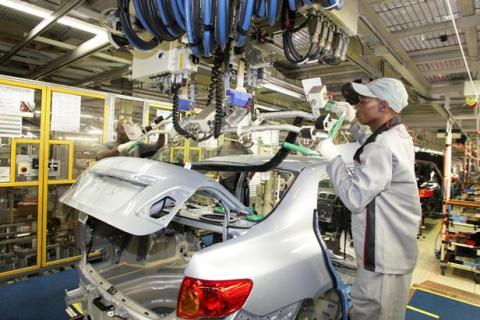
Nigeria can become a leading automotive hub in Africa by 2050 with an increase in local production and an expansion in new car markets. Currently, the Nigeria auto market has been saturated by imported used cars (Tokunbos) which were popular among the middle class due to flexible pricing compared to imported new cars but the expected spike in local production suggests that the importation of used cars will be curtailed by 2034. Nigeria’s annual new car market currently stands at over 50,000 but with projected growth, it can rise to as much 7.6 million in 2050. Nigerians are expected to import as many as 335,000 used cars in 2017, also known locally as ‘Tokunbos’, as well as 90,000 new cars. But just about 35,000 cars will be assembled locally. This means that locally assembled cars account for roughly 15% of total car sales in Nigeria. However, this number could rise to 70% by 2050. In recent years, papid GDP growth in Nigeria will visibly impact Nigeria's auto market. But GDP growth was not the sole condition necessary for the automobile industry to boom. With 63% of Nigerians unable to afford a car without some form of financial support, facilitating access to vehicle financing loans is also important. Last year, less than a third of all new cars sold in Nigeria, were sold to retail customers. One of the biggest barriers for the Nigeria auto market is lack of credit. Most of the economies do not sell cars through a cash basis but they buy through borrowing, this needs to be addressed in Nigeria. Similarly, the challenge with porous borders which allow car smuggling must be addressed to ensure that local production is protected. Tightening borders and regulating importation of cheap used cars will help Nigeria conserve foreign exchange as its annual car imports value – half of which is believed to be smuggled – stands at approximately $3.3 billion. One of the key reasons for the progress in the growth of the local automotive industry is the National Automotive Industry Development Plan, an automotive policy announced by the government of Nigeria. The policy has already attracted interest and investment to Nigeria’s auto market as 30 car brands have obtained licenses to start assembly of cars in Nigeria but its implementation must remain enforced to allow for consistent growth. The government has already awarded licences for 14 new vehicle assembly plants. Names included Toyota, Honda, General Appliances West Africa and Nigeria-China Manufacturing Company. Nigeria Auto Market: Africa's Largest Nigeria’s auto market remains the largest in Africa, and the buying power of her middle class is increasing exponentially thus, presenting a huge opportunity in terms of consumption of auto products. This is despite infrastructure challenges, the President/CEO Sub Saharan African Region, Ford Motor Company, Jeff Nemeth has said. The company plans to launch at least 30 new vehicles by 2020 in Middle East & Africa with the ambition to corner 50 per cent of the Nigeria auto market. The company’s Semi-knocked Down (SKD) vehicle assembly line in Nigeria with strategic partnership with local Ford dealer group Coscharis Motors Limited is located in Ikeja, Lagos. The Lagos assembly line accommodates one shift and produces an 10 units per day, while a gradually expansion is being planned over time. Mitsubishi is also eyeing Nigeria auto market and is in early stages of its planning and negotiations with Nigerian stakeholders. The arrival of Chinese brands, and the pace at which Nigeria’s automotive hub is developing, is attracting other car manufacturers to Nigeria. Toyota has invested R6.1 billion in their Durban plant, BMW is set to invest R6 billion in their Rosslyn plant, VW has earmarked 4.5 billion investment for their Uitenhage plant and Ford R2.5 billion in their Rosslyn plant, with Mercedes Benz investing R3 billion in their East London plant in 2013/14. On the other hand, the trucking business in Nigeria has been expanding recently. As the rail system in Nigeria has collapsed, trucking has become increasingly important and lucrative, especially given the country’s favourable demographics in terms of population (which is over 168 million) and growth rate (which is currently around 6.8%). The growth of some industries, including in the petroleum and agriculture sectors and which are based on transport, has also raised demand for trucks. Trucking is an important component of the movement of goods to and from cities like Port Harcourt, Lagos, Abuja, Kaduna and Kano. Africa Automotive Directory The African Automotive Directory compiled by Africa Business Pages has emerged as a helpful resource for those looking for buyers of automotive spare parts in Africa. The Africa Automotive Directory lists all major auto parts importers in 49 African countries and is available for immediate download in Excel format. This special directory is updated every six months is available for sale at the Africa Business Pages B2B portal at a nominal cost of US$350. The Africa Automotive Directory has helped many exporters, manufacturers and dealers of automotive spare parts connect with their business counterparts in the African markets and develop direct business relations and expand their sales and distribution network in key African markets.
The Market for Auto Parts in Ghana
folder_open Market Reports , West Africa
The market for auto parts in Ghana presents numerous opportunities. First and foremost, Ghana’s manufacturing industry has always been receiving good support from the local government. The encouragement and support of the Ghana government has enabled the country to emerge as one of the 40 fastest growing industrial production regions in the world. Ghana's impressive manufacturing industry currently accounts for a quarter of the country's GDP and is expected to account for more than 30% of the GDP by 2021. And the main driver for Ghana's booming manufacturing industry is the automobile industry. The automotive market in Ghana is diverse. It ranges from Original Equipment Manufacturers (OEMs) and component manufacturers, to dealerships and commercial vehicle manufacturers. Financial pressures, industry restructuring, changing consumer preferences, regulating issues, fluctuating fuel prices and the growing demand for more environmentally friendly vehicles are constantly transforming West Africa's automotive industry. The Ghanian automotive industry continues to adjust to market forces. The manufacturing level is being impacted by the increasing number of imported vehicles and the after affects of the global economic crisis, especially the uncertainty with regards to the European markets and the impact on local manufacturing. To survive and grow, automotive companies in Ghana must continuously develop and maintain customer relationships, achieve technical excellence and retain skilled labour pools, and manage significant risks. The automobile sector of Ghana has been a driver of growth of the country as it is one of the most visible sectors to receive foreign investment. Ghana is a multicultural and ethnically diverse West African nation and is the 9th largest African economy. On the Ibrahim Index of African Governance, Ghana ranks as the 7th best economy in Africa, which implies a relative safety of foreign investment in the region. Also, Ghana ranks relatively high in the ease of doing business index and also has an extremely high freedom of press rating, which makes it a good emerging market to invest in. Some of the popular car brands in the West Africa region are Toyota, Mercedes Benz, Mitsubishi, KIA, Nissan, Hyundai Volkswagen, Renault among others. AFRICAN AUTO PARTS INDUSTRY The African auto parts market for passenger vehicles is emerging as one of the most important re-export markets, growing more than 11 per cent year-on-year, and estimated to be worth US$14.68 billion in 2017 and based on the double-digit growth of demand in key Sub-Saharan countries, the value of the Africa’s auto parts market is likely to double by 2022. Countries such as Nigeria, Kenya, Uganda, Ghana, have witnessed double digit growth in demand of parts in the past five years. Focusing on the tremendous opportunities of doing business in the fast-emerging African market, there are currently more than 21.6 million cars on the continent’s roads which make up for nearly 70 per cent of spare parts consumption. There are five modes of automobile service business in Ghana, these are : New car dealers Independent garages/shops Specialty garages /shops Service stations or garages Fleet garages /shop However, the region still has its challenges. The African market is unstructured and the share of non-genuine parts is the biggest challenge to the automotive aftermarket in this region. Political issues, credit policies, and business sustainability related issues also impact the market, but these are mostly limited to Central Africa. Despite this the future outlook remained bright for those exporting to Africa, with the best opportunities existing in Kenya, Angola, Uganda, Nigeria and Ghana. Used engines are in great demand in many African countries which have a big market for re-conditioned automobiles. Most of the African buyers have substantial requirements for quantities of automotive batteries, tyres, spare parts, ball bearings, water pumps and a host of electronic goods. People prefer buying used spare parts because they are genuine and are often in good condition. Every spare parts outlet may not provide the full range of used parts of all car models but together the market is capable of providing nearly 90 per cent of such parts. The diversified range of used mechanical and body parts of cars and engines has brought this business parallel to genuine and non-genuine new spare parts businesses as it offers big variety at affordable prices. There has been an increasing demand for automobile spares, ball bearings and lubricants in the fast developing markets of Africa. The rapid growth of the middle class in many African countries has pushed demand for automobiles to an all-time high – in turn creating a growing market for all kinds of tyres: passenger car tyres, off-the-road tyres, industrial tyres, agricultural tyres, truck, bus and trailer tyres as well as motorcycle and bicycle tyres. The rising demand for tyres in Africa has led to stiff competition between tyre manufacturers from all across the world seeking to garner a major share of the market for tyres in the new and emerging African markets. Traditionally, European tyre manufactures had had a monopoly over the African markets and many European brands were top selling tyres in many African countries. However, in recent times, European tyre firms are beginning to lose ground to Chinese and other Asian brands in several African markets. The African countries are price-sensitive markets and prefer to import low-priced Chinese tyres rather than the expensive European and American brands. There is an equally strong market for sale and importation of used tyres in this region. Apart from Dunlop International the other three significant players in the African market for tyres are Continental, Bridgestone and Goodyear. Some of the major exporters of auto spare parts to Africa from Dubai include: Al Muqarram Auto Spare Parts Bagader Trading Est. BBG Trading VRB Trades FZE Zafco Trading Zeetex SPARE PARTS MARKET IN GHANA Currently most of the consumers in the automobile segment belong to the affluent class hence the automobile industry in Ghana presents massive opportunities for the future as the burgeoning middle class is largely untapped in the country. One of the major problems with Ghana that has been impeding the growth of the automobile sector is the lack of financial inclusion in the country. Most people do not have access to financial loans and other options like lease that make owning an automobile easy. The Africa Automotive Directory is a useful resource for those seeking importers of automotive spare parts in the African markets. Available for download in Excel format. While the global automotive industry is fiercely competitive, there are other factors that limit or even distort trade. For decades, various governments around the world have used trade distorting policies to support the creation and expansion of domestic automotive industries that were not otherwise economically feasible. This has been accomplished through combinations of subsidies, tariffs and non-tariff barriers. The market for automobile spare parts, in particular, has been an attractive sector for enterprises supplying these goods to many countries in Africa. The rapid industrialisation currently sweeping across many African countries has resulted in an increased demand for capital goods such as machinery, lubricants, spare parts, ball bearings and other mechanical accessories. The automobile sector of Ghana has been a driver of growth of the country as it is one of the most visible sectors to receive foreign investment. Indian automobiles major Mahindra and Mahindra, has invested heavily in the country and has made it as a regional hub for the manufacture of its Sports Utility Vehicles. Ghana’s first Ghanaian carmaker Kantanka Automobile Company says after years of vigorous research and tests it was now determined to release into the global market strong, robust, durable and reliable cars. The manufacturing base in Accra can currently produce around 100 cars a month. On the Ibrahim Index of African Governance, Ghana ranks as the 7th best economy in Africa, which implies a relative safety of foreign investment in the region. Also, Ghana ranks relatively high in the ease of doing business index and also has an extremely high freedom of press rating, which makes it a good emerging market to invest in. Moving forward, automotive companies must look for new ways to address existing challenges, mitigate risks, and seize future opportunities, amidst increasingly aggressive competition and pricing pressures. While some may be tempted to focus on short-term success to the detriment of long-term profitability, a holistic approach can help automotive companies take a big-picture view to explore the appropriate paths forward. Africa Automotive Directory The African Automotive Directory compiled by Africa Business Pages has emerged as a helpful resource for those looking for buyers of automotive spare parts in Africa. The Africa Automotive Directory lists all major auto parts importers in 49 African countries and is available for immediate download in Excel format. This special directory is updated every six months is available for sale at the Africa Business Pages B2B portal at a nominal cost of US$350. The Africa Automotive Directory has helped many exporters, manufacturers and dealers of automotive spare parts connect with their business counterparts in the African markets and develop direct business relations and expand their sales and distribution network in key African markets.
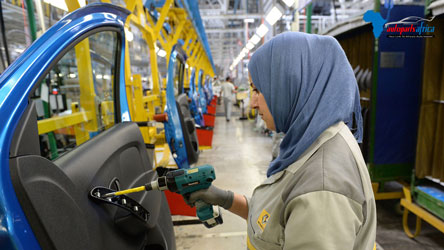
Before the end of next year, Morocco officials hope to announce the name of a third global automaker to build an assembly plant there. The unnamed manufacturer would launch production in the North African kingdom in 2021 or 2022, according to Khalid Qalam, senior adviser with Invest in Morocco. That third player would join Renault, which has two factories in Morocco, and PSA Group, which will begin building cars near the coastal city of Kenitra in 2019. But Morocco has even bigger plans for the industry. The country is working to recruit a fourth major automaker plant before the end of 2021, Qalam says, with production starting in 2023 or 2024. A fourth project would help the country reach its stated goal of having the capacity to build 1 million vehicles a year by 2025. “At that level, we believe Morocco will rank among the top 15 vehicle-producing countries in the world, and quite possibility even enter the top 10,” Qalam said. Officials are mindful of the shifting nature of global technologies, he adds. Morocco is encouraging its next vehicle manufacturer to produce a platform that allows it to manufacture both electrified vehicles and conventional models. Morocco’s pitch to world automakers is that it offers a low-cost base to produce models for export to Europe. But to help make EV production more attractive, Morocco will be providing consumer incentives to get local buyers to consider switching to models that fully or partially run on battery power. By 2025, Morocco wants annual sales of electrified vehicles to rise to 70,000 to 100,000 from small numbers today. The move to electrified transportation coincides with Morocco’s aim to become a major producer of solar power and to cover half of the country’s energy needs from alternatives such the sun, wind and biomass. The average wage in Morocco is less than 400 euros ($450) a year, compared to 2,000 euros just across the Mediterranean in Spain. The tax rate on companies is 0 percent for the first five years, and businesses are given a big break on value added tax. The country’s Tangier Med Port is already capable of processing 1 million vehicles a year. In addition, a high-speed rail line between Tangier and Casablanca is set to be operational in 2018. Africa Automotive Directory The research team at Auto Parts Africa has compiled a valuable database of automotive companies in Africa through painstaking work across more than 20 African countries. The result is the compilation of the first even Africa Automotive Directory which lists more than 17,000 automotive companies in Africa. This database of automotive-related companies in Africa lists wholesalers of automotive parts in Africa, auto parts dealers in Africa, auto parts retailers in Africa, auto parts suppliers in Africa, auto parts distributors, garages & service stations, Government Bodies, Automotive Associations as well manufacturers of auto parts in Africa. The Africa Automotive Directory is available for download here. Companies and exporters of auto parts from across the world have been using this database of automotive companies in Africa to reach potential buyers in Africa of auto parts and connect with importers of auto parts in Africa. This Directory contains the latest and complete information about your potential business partners in several cities across Africa. Listings of Top Companies Dealing in Auto Parts In MS Excel format Classified under different Trade Categories Up-to-date database of tyre dealers in Africa The database is well organised in an Excel sheet and the sortable fields include: Company Name, Address, Phone, Fax, Email, Website, Business Category.
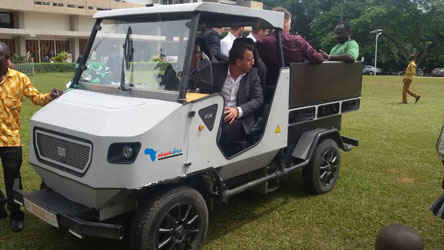
A vehicle that is powered by the sun, that is the latest invention by students of Ghana’s Premier engineering university, the Kwame Nkrumah University of Science and Technology (KNUST) located in the resource rich Ashanti region. The first version of the environmentally friendly automobile was outdoored recently at a graduation ceremony of the university. The invention of the 4×4 vehicle was in partnership with the Technical University of Munich. It was developed by the Departments of Mechanical Engineering and Physics, and is seen as a breakthrough for the West African nation as it explores ways to build a more robust automobile industry. Most cars in the country are fuel based, either diesel or petrol run, a few others use Liquefied Petroleum Gas (LPG). Ghana discovered oil along its western coast but still imports refined fuel for industrial and commercial use. The pickup-styled vehicle as displayed at the event seats two persons at a time. The first drive was taken by the chancellor of the university and powerful Ashanti king, Otumfuor Osei Tutu II and one of the guests who had graced the graduation ceremony. The monarch drove it round a small field to much admiration of graduating students and other people who had gathered for the event. He went on to task the government to support the effort of the university to undertake more of such innovations.
Nigeria's Booming Automobile Sector
folder_open Market Reports , West Africa
In a bid to encourage vehicle assembly in Nigeria, the Federal Government has initiated new laws to discourage vehicle importation into Nigeria. According to a recent circular “fully built units (FBU) cars falling under H.S. Code 87.03 shall attract a duty of 35 per cent and 35 per cent levy.” The document also stipulates that “local assembly plants shall import completely knocked down (vehicles) at zero per cent duty; and semi-knocked down (vehicles) at five per cent duty. However, many industry stakeholders doubt the workability of the policy, with some arguing that there are no such modalities as the necessary infrastructure, effective power supply, and access to affordable credit facility for effective implementation of the new law. And then there are those who also warn of massive job losses, particularly among importers of fairly used (‘Tokunbo’) vehicles. In real terms, a fairly used bus that was formerly being cleared at the cost of N150,000 shot up to N600,000, a N450,000 difference or 300 per cent increase, while smaller car that was previously being cleared at the cost of N250,000 went as high as N800,000. Analysts fear that the new policy could create a monopolistic market in the auto industry, in addition to offering to Nigerians whatever is produced by the local manufacturers, which he said could even be inferior thereby exploiting the people. “How will the (auto makers) better their products if there is no competition?” queried members of the Nigeria Labour Congress (NLC), alluding to the United States, which still allows foreign competition in spite of having a thriving auto industry. “When they found out they couldn’t compete with their bogus designs, they brought in foreign engineers to assist them with designing their vehicles. “That is why today American cars are similar in design to the ones from Japan and Europe. Before then American auto companies were laying off their staff because they could not compete. “Americans were dumping their vehicles in preference for Japanese cars with more sophisticated designs and more gas economy. America did not shut their ports for imported vehicles because of that,” he said. Another source argued that the “Nigerian government cannot deny its citizens freedom of choice. Japan has British cars coming into its country and Nigeria is not the first country to start manufacturing cars. “It is not only in the auto industry that foreign products are allowed to come in. In the beverage industry, the operators are not calling for foreign products to be killed, rather they are seeking a level playing field. I think that is fair enough,” he said. For Nosakhare Osawaru, a Nigerian resident in Germany, the way government is going about the implementation makes the policy seem draconian. It is unsuitable for the economy and could lead to inflation, as prices of fairly used cars skyrocket, he said. According to Osawaru, many Nigerians in Diaspora import used (Tokunbo) cars because of job constraints in Europe, which is always in and out of recession. Only Germany is the viable economy in the Eurozone, he noted, explaining why citizens of neighbouring countries troop there for employment. “Increasing import tariff is not a solution; it will negatively affect the economy. Middle class Nigerians cannot afford new cars yet and availability of used cars enhances the livelihood of an average Nigerian,” he added. “Why not use made-in-Nigeria cars as government before depriving the average citizen the opportunity to drive a good tokunbo car as they cannot afford new ones.” With the current economic realities, it would be impossible for an average Nigerian earning N30,000 monthly income to save enough to buy a new car, he said, but that relatives overseas can send fairly used cars that would be affordable for the average income earner. According to the policy, imported tyres would also cost more from this year, when a 20 per cent duty and five per cent value added tax have been placed on tyres of cars, buses and lorries. “Local tyre manufacturing plants are to import tyres at five per cent duty in numbers equal to twice their production for two years from the date of commencement of production,” it stated. Yusuf wants government provide more infrastructure that would boost manufacturing activities in the country, because, infrastructure, according to him, “is critical to the development of any sector, and I therefore suggest that government should scale up investment in infrastructure to enhance productivity and competitiveness in the domestic economy. “We are of the view that investment in infrastructure to enhance productivity would scale up Nigeria investment potential that would encourage Nigerians to move up the value chain by encouraging all major importers of consumer products (not necessarily luxurious products like cars) to come and manufacture in Nigeria. “There are so many small items that we should not be importing to Nigeria. Let us focus more on these, rather than adopting a South African auto policy that is only bound to increase income at Cotonou port,” he said. Meanwhile, since the announcement of the policy last year, many auto manufacturers, both local and international, have lauded the initiative, saying it would be the best policy to have happened to the auto industry in the country. In support of this government initiative, many international auto brands have started to assemble their products in Nigeria, while many others have expressed their willingness to open shop in Nigeria. For instance, Japanese auto giant - Nissan Motor Corporation – in April 2014 successfully rolled out production line of Nigerian-built Nissan Patrol at the Lagos assembly plant, with plans to produce the Almera and NP300 to be followed by mass production. Chief Executive, Nissan Motor Corporation, Carlos Ghosn, said Nissan can produce up to three million vehicles annually, using the facility at the VON Automobile Assembly Plant on the Lagos-Badagry Expressway. This is expected to create thousands of direct and indirect jobs. “We are interested in producing popular cars, totally adapted to the needs of Nigerians,” he said, adding that the company also plans to bring its global suppliers to make vehicle components in the country. Nissan South Africa Managing Director, Mike Whitfield, said: “We are grateful to the Nigerian government for implementing automotive legislation that is conducive to investment and that was instrumental in our decision to open an assembly plant in partnership with the Stallion Group, already our exclusive distributor in Nigeria.” Managing Director, VON Automobile Nigeria Limited, Tokunbo Aromolaran, where Ashok Leyland buses and trucks as well as light duty Hyundai trucks are also currently being assembled, said “one of our biggest hopes is to stimulate some area around this location and make them components manufacturing village where components can be manufactured”. Also, PAN Nigeria Limited had in response to the new automotive policy renewed its alliance with Automobile Peugeot, France, and has promised to begin production and assembling of cars in June. A delegation from Automobile Peugeot, France, led by the Vice President, PSA Group, Yves Moulin, who were in Nigeria recently ahead of the commencement of production, had indicated their desire to assist the Federal Government in achieving the motives of the new auto policy. Managing Director, PAN Nigeria Limited, Ibrahim Boyi, said full implementation of the new auto policy would revolutionise the growth and development of the nation’s industrial sector, adding that PAN had the capacity to assemble over 90,000 cars in Nigeria annually. “In the past, this plant used to produce over 90,000 cars in one year, which was more than the national requirement for new vehicles in Nigeria. “I strongly believe that if the new auto policy is fully implemented, it will bring back the glory of the good old years of automotive assembly in Nigeria. “With the new auto policy, I believe that our world class assembly plant, with all the facilities, skilled manpower and expertise, is still in a position to replicate the kind of feat PAN was used to in Nigeria,” Boyi said. Also, Dana Motors Limited, the sole distributors of KIA Motors in Nigeria, recently signed an agreement with KIA Motors Corporation (KMC) South Korea to set up an assembly plant in Nigeria. MD/CEO of Dana Motors, Jacky Hathiramani, said: “Dana Motors aims to surpass customer expectations and with the growing population of KIA cars across Nigeria there is a need to provide better support for maintenance by upgrading facility and investing in people thereby creating jobs, increasing skills and ultimately producing cost effective vehicles and also to promote the development of the automobile sector and drive the components parts requirement of international standard at competitive prices”. Coscharis Motors said with the introduction of the new automotive policy in the country, it has revisited the idea of establishing an auto plant which it conceived about three year ago but could not actualised based on reasons beyond its control. Coscharis said it has now concluded an agreement with JiangSu Joylong Automobile Company Limited, China, as the OEM organisation that will provide the necessary technical back-up for the project, while it has also concluded an agreement with DongFeng Design Institute Company Limited, a company well-known in China for its world class auto factory design and management, saying the company will design and manage the project, including general oversight, explaining that extensive work was already on-going on the project. Coscharis said the plant should be able to turn out all models of buses, Coaster: 18units/day, about 3000units/year and passenger cars, pickup, MPV: 37units/day, about 10000units/year when completed. Chairman of Innoson Vehicles Manufacturing Company, Innocent Ifediaso Chukwuma, was optimistic that if the new auto policy is seriously implemented, it will energise the local auto industry to develop the capacity towards transforming the country into an economic giant in the next few years with a lot of impact on the linkage industries. “I can assure you that when this policy takes root, and the industrial clusters begin to develop in Enugu and Anambra, many more allied industries that will feed factories like Innoson will emerge, and that means more jobs, more capital injection, more hands-on training and development for the industry and more research that will lead to truly Nigerian cars, like the ones we are building at the moment. “I bet you, Nigeria will be in position to rule the African auto market if this policy is followed to the letter,” Chukwuma said. Managing Director of Proforce Limited, Ade Ogundeyin, who produces armoured vehicles in Ode-Remo, Ogun State, said importers of finished vehicles and all those campaigning against the efforts of the Federal Government to boost manufacturing activities in the auto industry through the newly introduced automotive industry development policy are doing so for personal interest, advising them to repent and be patriotic. He said the automotive policy, which features high tariff on imports, has been used to develop the industry in many countries of the world, like Malaysia, India, South Africa and Indonesia. “So, why all the propaganda against government’s genuine intentions? It is clear that manufacturing, not importation, will boost the auto sector and the economy.” According to him, if implemented as designed by government, the policy will lead to the production of affordable vehicles, save the country billions in foreign exchange and revive the downstream industry, especially component manufacturers, most of which went dormant following the collapse of the assembly plants in the late 1980s. Dousing the fears that many Nigerians might not be able to afford the prices of newly built cars, the National Automotive Council (NAC) said it will through a vehicle purchase scheme work with OEMs to establish domestic dealership networks; set up captive finance operations, and also encourage them to integrate into the existing banking system in Nigeria, noting that some banks, including a specific bank that currently finances one third of vehicle purchases in South Africa, are already in a position to support this scheme and have expressed interest. NAC said vehicle manufacturers have also designed strategies for producing affordable vehicle models, noting that for instance, Nissan has re-introduced the Datsun brand as a low cost vehicle for developing countries, in which Nigeria has the opportunity to be their manufacturing base in Africa. “The Nigerian auto strategy is to encourage OEMs to focus primarily on assembly of lower-end, less expensive models in Nigeria, which can be purchased within the same price range of existing used vehicles imported into the country that are typically priced around NGN 1.2 million to NGN 1.5 million,” NAC said. On safety and products standards, the council said local content manufacturers would be encouraged and assisted to produce good quality items and obtain ISO quality certification, noting that it has been working with the Standards Organization of Nigeria (SON) and other stakeholders, and have developed 106 vehicle safety standards in the last two years, adding that it is also building automotive component test centres where products can be tested to ensure conformity with standards. Minister of Industry, Trade and Investment, Olusegun Aganga, said more local and international investors have been taking advantage of the huge opportunities provided by the new automotive plan to invest in Nigeria. “I have been greatly encouraged by the announcements that have been made by reputable and global OEMS that they are coming to establish their automotive assembly plants in Nigeria. “So far, we have been pleasantly surprised by the positive response from local and international investors who are already taking advantage or have signified their interest in leveraging the huge opportunities provided by the new automotive policy. “As a matter of fact, it took many years for some automobile manufacturing countries to attract the level of attention and interest which Nigeria is getting today. “These show that we have made remarkable progress just within the few months since the policy was approved and announced,” he said, while reaffirming the commitment of the Federal Government to the full implementation of the auto policy. “We are ready to work with them to ensure that the policy is well implemented for the overall benefit of the Nigerian people and our economy,” Aganga said.
CFAO Yamaha Assembly Plant in Nigeria
folder_open Market Reports , West Africa
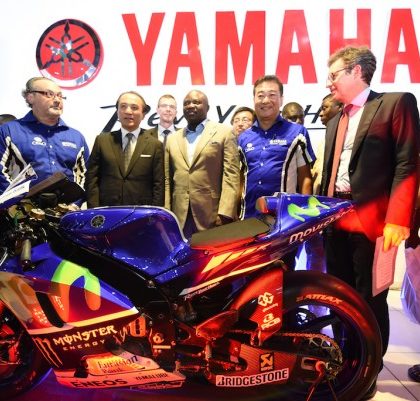
The CFAO YAMAHA assembly plant was officially opened in Lagos, Nigeria to assemble two motorcycle models: the Yamaha Crux and the Force X Royale, both destined for the Nigerian market. Located in the Amuwo Odofin industrial zone, the plant is expected to produce 70,000 units by 2018. A showroom will present other Yahama products such as outboard engines, personal watercrafts (WaveRunner), all terrain vehicles (ATV), generateurs and Yamalube lubricant products. In Nigeria, all of these products will be exclusively distributed by CFAO Yamaha Motor Nigeria Limited. The assembly plant and showroom inaugurated last Friday are the result of a partnership signed between CFAO and Yamaha at the end of 2014. This partnership aims at meeting demand from the Nigerian market and supporting the government’s drive to strengthen the country’s industrial base. According to Richard Bielle, Chairman of the Management Board of CFAO: “The strength of this partnership builds on Yamaha’s manufacturing expertise and CFAO’s sales expertise and vast distribution network. The inauguration of this plant celebrates CFAO’s strategic redeployment in Nigeria in our three business sectors: equipment & services, healthcare and consumer goods.” The assembly plant also houses the Yamaha Technical Academy, a training centre for technical professionals, and the Yamaha Riding Academy, a road safety awareness centre. About CFAO CFAO is a front-ranking specialized distributor and preferred partner of major international brands, serving the high-potential equipment & services, healthcare and consumer goods markets in Africa and the French overseas territories. The Group is active in 39 countries, including 34 African countries and 7 French Overseas Territories. It employed 12,370 people at end-2015. In 2015, CFAO generated consolidated revenue of €3,435.7 million and recorded recurring operating income of €269.2 million. CFAO is a 97.74%-owned subsidiary of TTC (Japan). CFAO is listed on NYSE Euronext Paris.
Preliminary request for participation in the trade show
place
calendar_today
Preliminary request for visitor registration
Visitor Registration
place
calendar_today