

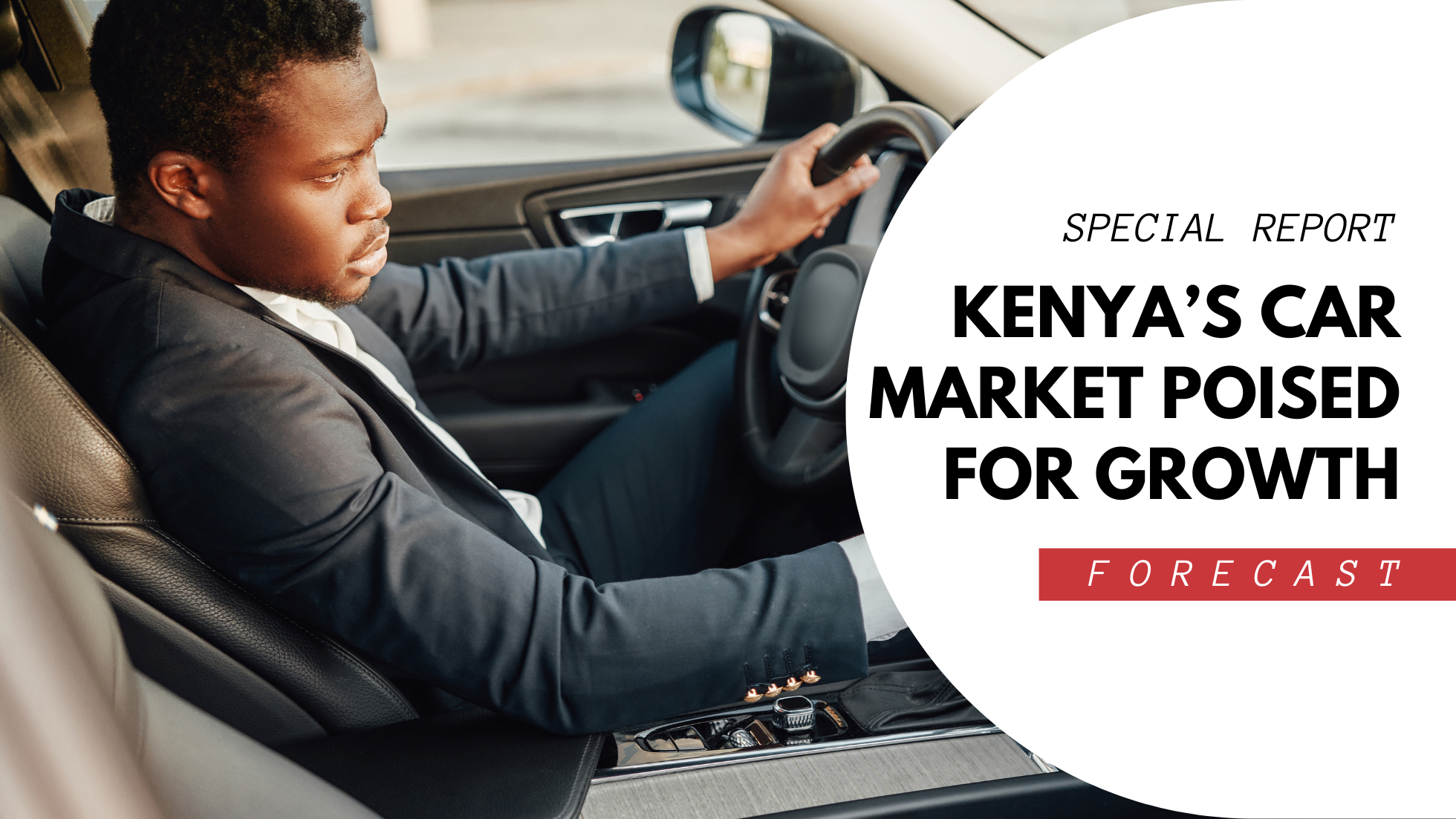
Kenya’s automotive market is on track for a significant transformation by 2030, with used car imports, electric vehicles (EVs), and auto finance innovations set to reshape the country's transport landscape. Industry analysts and market data forecast a steady evolution, driven by affordability concerns, regulatory changes, and a growing interest in sustainable mobility. Used Cars Continue to Dominate Used vehicles remain the cornerstone of Kenya’s automotive market. Valued at approximately USD 1.25 billion in 2025, the used car segment is expected to grow to USD 1.39 billion by 2030, according to research from Mordor Intelligence. The vast majority of Kenyan motorists prefer pre-owned vehicles, largely due to cost — with average new car prices exceeding USD 13,000, many consumers turn to Japanese and UAE imports available for as little as USD 2,000. Strict government regulations, however, limit used car imports to vehicles under eight years old, and any changes to these rules could have significant ripple effects across the industry. New Car Sales See Modest Outlook The new passenger car market is forecast to see modest revenue, with projections estimating a decline from USD 89 million in 2025 to around USD 86 million by 2029. Market trends suggest a pivot toward compact, fuel-efficient models, while large SUVs may see declining interest amid high fuel prices and a global push toward sustainability. Local assembly is expected to play a growing role. Global automakers such as Toyota, Nissan, and Isuzu have invested in domestic production facilities, while Kenyan firm Mobius Motors continues to build momentum with its locally designed vehicles. Government incentives and reduced import duties further encourage local manufacturing. Electric Vehicles Enter the Scene While still in its early stages, Kenya's electric vehicle (EV) sector is gaining traction. Chinese models like the Neta V are already being tested by taxi drivers, while Nairobi-based startup Spiro is expanding its fleet of electric two-wheelers and battery-swapping stations across six African countries. Spiro aims to deploy over two million EV units by 2030. Despite current limitations in charging infrastructure, the government is backing the sector through Vision 2030 and international climate commitments. Kenya is also among the signatories to the Glasgow Declaration, pledging to phase out new fossil fuel vehicles by 2040. “We are witnessing the early stages of a shift,” said an industry insider. “By 2030, electric mobility will no longer be a novelty but a necessity.” Rentals and Ride-Hailing on the Rise The car rental sector is another area showing strong growth. Revenue from Kenya’s car rental market is expected to increase from USD 171 million in 2025 to USD 205 million by 2030. Urban demand, tourism recovery, and digital booking platforms are all contributing factors. Electric three-wheelers and tuk-tuks are also becoming essential for last-mile transport in cities like Nairobi, Kisumu, and Mombasa. Financial Inclusion Driving Vehicle Ownership A surge in auto financing is opening new doors for Kenyan consumers. As of 2023, outstanding vehicle loans reached nearly KES 250 billion. Financial institutions such as Watu Credit, NCBA, and Toyota Kenya Finance are offering tailored loans for both new and used vehicles, fueling greater access to mobility. Auto financing also plays a crucial role in supporting the commercial vehicle sector, which continues to benefit from the growth of logistics and e-commerce industries. Technology and IoT: The Next Frontier Kenya’s automotive market is also embracing digital transformation. The automotive Internet of Things (IoT) sector — including vehicle tracking, fleet telematics, and smart diagnostics — is forecast to grow from USD 206 million in 2025 to USD 243 million by 2029. Fleet operators and mobility startups are adopting connected vehicle technologies to improve efficiency, safety, and customer service. Key Takeaways Segment 2030 Outlook Used Cars Strong growth; affordability remains key driver New Vehicles Flat growth; shift to compact and electric models Electric Vehicles (EVs) Early adoption phase; growing infrastructure Car Rentals & Ride-Hailing Steady growth; supported by digital platforms Auto Financing Expanding access to vehicle ownership Automotive IoT Increasing investment in connected technologies Outlook Kenya's automotive market in 2030 will be shaped by a combination of global trends and local realities. While economic pressures and infrastructure gaps pose challenges, the market shows resilience and a clear appetite for innovation. Industry stakeholders—including automakers, dealers, fintech firms, and regulators—have a unique opportunity to shape a mobility ecosystem that is more inclusive, sustainable, and digitally integrated.
Asimco Launches Major Branding Campaign Across East African Markets
folder_open Auto Parts , East Africa
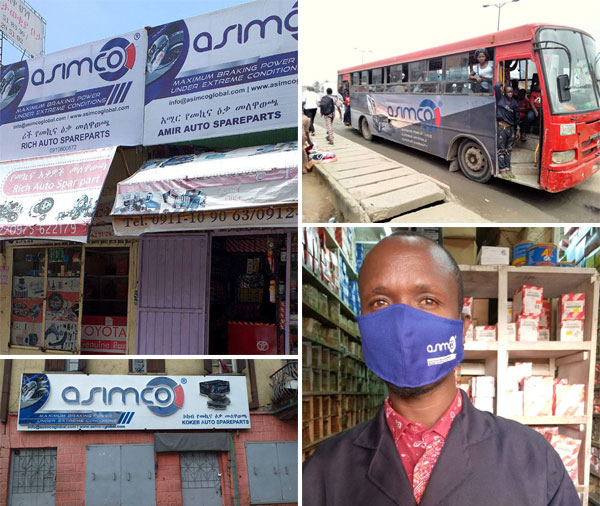
Asimco, the leading manufacturer of premium friction products including brake pads, brake shoes, fuel pumps, brake fluids, disc rotors and shock absorbers has initiated a global marketing expansion intensifies with strategic thrust into African markets. The roll-out of the expansion is driven from its hub in Kenya and implemented through A-MAP's widespread presence in the region. ASIMCO is highly recognized for its superior quality products since its establishment in 2001. Products under its portfolio include brake pads, brake shoes, fuel pumps, disc rotors and shock absorbers. Over the years, ASIMCO’s quality has supported strong growth in market share and is now sold in over 65 countries – including a prominent presence in the African markets. ASIMCO's concentration in Africa is in response to the rising demand for auto parts and accessories in the continent. ASIMCO shop boards, posters, wall branding and roll-up banners are visible across the state in auto service centers as well as spare parts shops. This is part of ASIMCO's global promotional activities. ASIMCO is one of the leading players in brake products in the global automotive aftermarket and is distributed regionally by Al-Muqarram Auto Spare Parts Trading (A-MAP). The campaign aims to introduce Asimco products and educate 650+ retailers / mechanics across East Africa on the importance of using genuine brake pads. The campaign also highlights Asimco products, how to spot original from a fake; and distribute 10,000 promotional items across the East Africa region. The campaign started on July 4th, 2022, with product head along with Brand Ambassadors visiting Kirinyaga Road and Race Course Road in Nairobi, Kenya. The campaign is run by more than 40 trained brand ambassadors who interact directly with representatives of retail stores and auto garages. Campaign Dates: Asimco Promotion In East Africa 5 days for Kenya July 4-8 targeting over 350 retail outlets/garages 2 days Tanzania July 11-12 targeting over 100 retail outlets/garages 2 days Rwanda July 14-15 targeting over 100 retail outlets/garages 2 days Uganda July 18-19 targeting over 100 retail outlets/garages A-MAP's partnership with ASIMCO is a solid and long-term one with plans to expand its market presence across various markets, from the UAE to Africa and beyond. This is an enduring endeavor that will see ASIMCO consolidate its market leadership and brand awareness across the world, supported by its iconic product range. Al Muqarram Auto Parts Trading (A-MAP) is part of the Badami Holding, which is a leading name in the business world, with over 50 years of experience as a prominent distributor and manufacturer of different commodities and products. Online Promotions in Africa “As part of its strategic growth plans, A-MAP is collaborating closely with ASIMCO to expand its market presence across various markets, from the UAE to Africa, which is an emerging market particularly in the automobile industry, said Asad Badami, Managing Director of A-MAP. "Through this endeavour, ASIMCO aims to continue building on its market leadership and brand building across the other parts of the world, backed by its iconic product range,” he said. In addition to field marketing acitivites, Asimco has also launched an aggressive digital promotion campaign in the African markets through online promotions through leading B2B portals in Africa like the Africa Business Pages and Auto Parts Africa. “The automotive aftermarket in Africa offers great potential for growth, particularly considering that there are over 22 million vehicles on the continent’s roads as on date, thus offering a huge demand for auto accessories and engine components such as bearings, brake pads, spark plugs and filters. With its hub in Kenya, and re-export base in the UAE, ASIMCO is set for a major growth curve," says Asad Badami. "Our online digital campaigns through Africa Business Pages and Auto Parts Africa have been yielding excellent results and helped us in idenifying and appointing agents and distributors in key markets across Africa," he said. ASIMCO’s increased focus on Africa comes close on the heels on the surging demand for auto parts and accessories in the continent, which is growing 11% year-on-year and is expected to be worth over $25 billion by 2030. Al Muqarram Auto Parts Trading (A-MAP) is part of the Badami Holding, which is a leading name in the business world, with over 50 years’ of experience as a prominent distributor and manufacturer of different commodities and products.
Now Rent An Electric Car in Kenya
folder_open East Africa
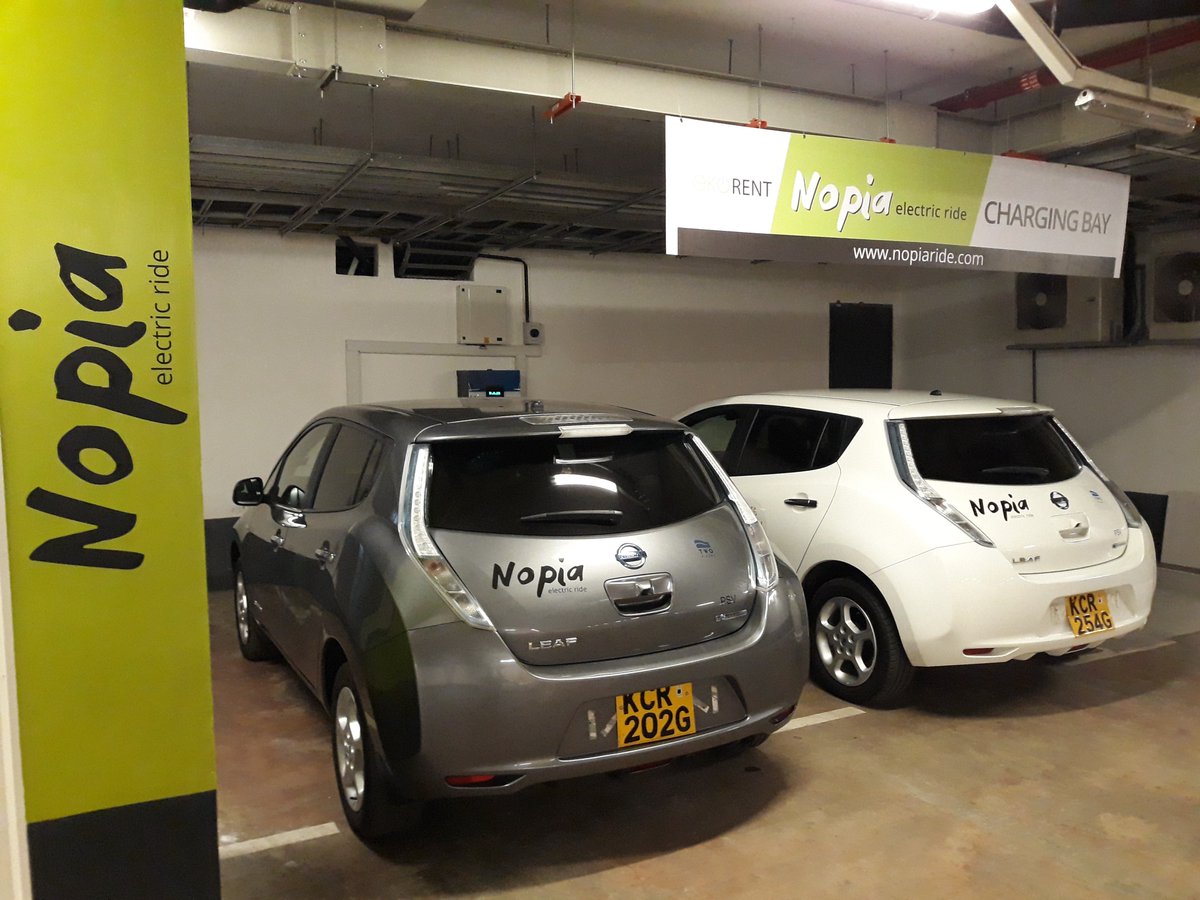
EkoRent Africa, an electric mobility company has launched a full electric vehicle service called Nopia Ride in Nairobi, Kenya. "We have now launched our zero-emission electric transportation service pilot in Nairobi. We aim to increase our fleet size to around couple of hundred vehicles by the end of the year," the company says calling on Kenyans to register either to ride or drive. The cars are 100% electric, making them much cheaper to operate; hence reducing the travel cost as compared to gasoline or fuel operated vehicles. The Company will have charging bays all around Nairobi. They will employ the same book a ride and pay formula. Payment can be made through M –Pesa , minimizing the use of cash and making the service digitally friendly. With already existing players such as Uber, Taxify, Mondo Ride and Little Cab in the Kenyan ride market, Nopia Ride will have to work itself up with their innovative thinking and environmental safety policy. The company says that its service should be the best alternative for those seeking cab services because they “aim to reach zero pollution levels.” “We care about the environment. Therefore, all our Nopia vehicles are non-polluting electric cars. By choosing Nopia, you help to reduce harmful emissions and to improve the air quality around you,” the company further adds. Riders can download the Nopia app to avail the service. Since it’s the first fully electric ride service in East Africa, it is counted as an inspiration for African progress. Nopia is a product of Finnish company EkoRent. Founded in 2014, the company has its headquarters in Helsinkin, Finland.

South Korea’s Hyundai Motor Company has entered into the Ethiopian automobile market recently, following in the footsteps of German car automaker Volkswagen. Hyundai is expected to assemble more than 10,000 vehicles annually at its Ethiopian plant. The plant will assemble trucks and passenger hatchbacks cars and will serve other East African countries including Somalia, Djibouti, Eritrea, Sudan and Kenya. The plant was established at a cost of $17.5 million and will create employment opportunities for 200 people initially, and with the possibility to create 1,000 jobs once it goes fully operational. Hyundai is making a magnificent impact in Africa having disclosed Hyundai Sante Fe 2019 in the Ghanaian market early this year. Its entrance in Ethiopia establishes the country as a preferred investment hub in East Africa. Last year, Ethiopia was named Africa’s fastest growing economy with a growth rate of 8.5 per cent making it an attractive investment destination. Volkswagen signed a Memorandum of Understanding (MoU) with Ethiopian Investment Commission (EIC) in January 2019 enabling it to establish a car assembly facility in Ethiopia. By doing so, Ethiopia has become the third Sub-Saharan country to pen such an agreement, with Ghana and Nigeria.
Tyre Market in East Africa
folder_open East Africa , Market Reports
When it comes to tyres, the African continent is one of the fastest growing markets for the global tyre industry. The rapid growth of the middle class in many African countries has pushed demand for automobiles to an all-time high – in turn creating a growing market for all kinds of tyres: passenger car tyres, off-the-road tyres, industrial tyres, agricultural tyres, truck, bus and trailer tyres as well as motorcycle and bicycle tyres. The rising demand for tyres in Africa has led to stiff competition between tyre manufacturers from all across the world seeking to garner a major share of the market for tyres in the new and emerging African markets. Traditionally, European tyre manufactaures had had a monopoly over the African markets and many European brands were top selling tyres in many African countries. However, in recent times, European tyre firms are beginning to loose ground to Chinese and other Asian brands in many emerging markets not only in Africa, but around the world. Chinese tyres are gaining popularity in several African markets. Many developing countries, specialy in Africa, are price-sensitive markets and prefer to import low-priced Chinese tyres rather than the expensive European and American brands. As a result, China has emerged as a leading exporter of tyres to many African countries in recent times. Players in the tyre business worldwide are not renowned for fair trade practices and Kenya is no exception. Some years back, all tyre companies operating in the United States were summoned by the Federal Bureau of Investigation (FBI) after accusations that the multi-million dollar firms were engaged in cartel-like cost-fixing in the country. In Kenya, a significant bulk of uncustomed products have entered the local market. Firestone, which also imports tyres from the parent company, Bridgestone Corporation of Japan, say they have been in touch with the treasury over the issue, but the practice continues. Tyres attract a duty of 35 per cent which, according to business analysts, should place the prices of imported and locally manufactured tyres roughly at par, with only marginal price variations on some brands. But international tyre manufacturers say retail and wholesale prices of some foreign products in the market are well below the expected minimum if costs of production, transport, insurance and duty are considered, an indication that there is illegal dumping. Apart from lack of infrastructure, most illegally imported tyres, have a quality problem emanating from storage; some are poorly stored in godowns in hot places like Dubai for months, which seriously compromises quality. Before Firestone established its manufacturing plant in Kenya nearly two decades ago, all tyres were imported. The government, eager to promote import-substitution, imposed quotas and tariffs to protect the local industry, which gave the company a virtual monopoly. However, some imports were allowed since there were vehicles in the market which could not use the company's products. Fifteen percent of Firestone, a member of the Sameer Group of Companies, is controlled by Bridgestone Firestone Inc of the US, which, in turn, is a subsidiary of Japan's Bridgestone Corporation. Japanese company bought Firestone Tyre and Rubber Corporation of the US, which also owns much of war-ravaged Liberia's rubber plantations. Before 2005, buoyed by a weak Japanese yen, Bridgestone was the world's foremost tyre producer. But as the value of the yen against major hard currencies shot up, and dollar-based sales plummeted, it was overtaken by Michellin. In recent times, the tyre companies in Kenya have carried their rivalry to the airwaves, each claiming superior products. While Pirelli and Michellin needed introduction since they were new in the market, a Firestone survey showed that the Michellin campaign was having a significant impact on sales and Firestone was forced to embark on their own campaign. Michellin is exclusively marketed by Kingsway Tyres who, however, declined to comment. Pirelli, which is sold locally by Nyanza Petroleum Company, has confined its marketing strategy to advertisements painted on Stage Coach buses, which, ironically, use Michellin tyres! Although the most popular Michellin adverts target matatu and small cars, Firestone claims there has been no major impact by their rivals in this area. Then there is the issue of warranty. While Firestone products boast that they "come with a written guarantee", Michellin advertisements proclaim "the name is the guarantee". But Firestone is not daunted, offering replacement for any tyre damaged due to errors arising from manufacturing, stressing the fact that its tyres are tailor-made for Kenyan roads. Besides new tyres, there are also low-quality second-hand ones which soon wear out on the country's rough roads. The managing director of Pirelli (Europe), Valter Donati, says that most used tyres are dumped into the African market after exceeding the legal use limit in European and other developed countries. The thread of the tyres is so shallow that it makes nonsense of the cheap prices, and they also have a poor surface grip. An increase in tyre import duties has been requested for South Africa, owing to the large quantity of substandard tyres that are being brought into the country from China. The cheaper tyres provide unfair competition for local tyre manufacturers, who are concerned with the risk the thinner tyres pose to the safety of heavy vehicles such as taxis. The National Union of Metalworkers (Numsa) has asked Government to increase tyre import duties to stop the influx of cheap tyres. Supporting Numsa?'s campaign, South Africa'?s top four tyre manufacturers (Bridgestone, Continental, Dunlop and Goodyear) have brought the Government'?s attention to their safety concerns for the widespread use of tyres of inferior quality. The new Toyota Quantum taxis, a larger version of the minibus taxi, are most at risk of accidents caused by the cheap tyre imports. To cut costs, taxi drivers replace their 15-inch Quantum tyres with cheap 14-inch tyres, which are thinner and cannot carry the car's weight. The tyre manufacturers and NUMSA say that there is a marked increase in the dumping of Chinese tyres. "From 2000 to 2010, the imports of passenger vehicle tyres increased by 100 percent from one million to two million per year, while the imports of commercial tyres grew from 200 000 to just less than 840 000," says Etienne Human, the chief executive and president of the SA Tyre Manufacturing Conference (SAMTC). The effect is being felt by local manufacturers who are experiencing a significant decrease in demand as a result of the effects of the recession in the car industry. Bridgestone, Continental, Dunlop and Goodyear are currently cutting back on up to a quarter of their labour force. China?'s tyre production far outweighs the country's local demand for tyres, and so tyre dumping on foreign soil has become a necessary evil. Etienne Human said that the South African tyre manufacturing industry is losing more than Rands 1 billion per year as a result of the dramatic increase in tyre imports. He attributes this increase to sloppy checking systems by customs officials. As a result, imported tyres account for almost half of the tyres in the South African market. He also added that tyre manufacturers applied for anti-dumping import duties against Chinese companies but their application was unsuccessful. Despite the manufacturer?s? assessment that the tyres are of inferior quality, Sharma Iqbal, a deputy director-general at the Department of Trade and Industry said that all tyre imports were standardised and approved by the SA Bureau of Standards. So despite the best efforts of the most developed country in the African continent, the onslaught of the Chinese manufacturers continues. Chinese tyre manufacturers have, in a way, broken the myth about European technological superiority by producing high quality tyres at fraction of the cost. The European brands, used to charging high prices for their products, have finally been challenged and are now being forced to roll back their profit margins and compete with Chinese manufacturers. RECENT DEVELOPMENTS In a significant all-cash overseas deal worth about US$80 million, the board of directors of Apollo Tyres Ltd (ATL) approved the acquisition of the Durban-headquartered Dunlop Tyres International (Pty) Ltd (Dunlop South Africa). The 100 per cent equity buyout transaction, subject to regulatory approvals in both countries, would enable the US$ 726 million ATL to secure a toehold in the fast growing Africa region and also a strong presence in the South African tyre market. Besides the benefit of superior radial tyre technology, the acquisition would also enable the domestic tyre major to access the European market through the distribution network owned by the $200-million Dunlop South Africa. By virtue of the equity buyout of Dunlop South Africa, ATL would get to control Dunlop Africa Marketing UK (registered in the UK), which is a 100 per cent subsidiary of Dunlop South Africa and also the holding company of Dunlop Zimbabwe (which owns the Zimbabwe facility). Dunlop South Africa had 3,000 employees, two plants in South Africa (each 75 tonnes per day) and one plant in Zimbabwe (35 tonnes per day bias tyre facility of Dunlop Zimbabwe). At present, ATL's capacity in India is about 750 tonnes per day! Sarkar said that ATL has no plans of making any changes to the management of Dunlop South Africa. Moreover, the existing brands of the acquired company would be continued. Prior to this transaction, financial investors (comprising mainly private equity, individual investors and some holding by members of senior management) owned Dunlop South Africa. Sarkar expressed confidence that all regulatory approvals would be received easily. "As far as India is concerned, we have to only get a post-facto approval from the Reserve Bank of India as the transaction is lower than $500 million. As regards the South African Competition Commission, we don't foresee any problem," he said. Apart from Dunlop South Africa, the other three significant players in the South African market are Continental, Bridgestone and Goodyear. All the four players enjoyed nearly equal market share.
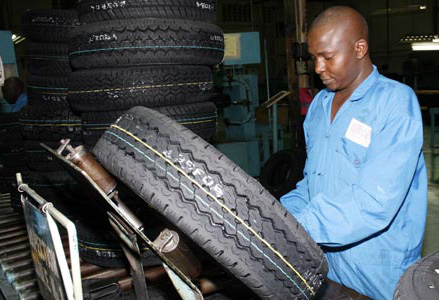
Sameer Africa to close its tyre manufacturing plant in Nairobi
folder_open East Africa , Market Reports
Sameer Africa, a leading tyre manufacturer in East Africa is planning to stop manufacturing of tyres at its Nairobi plant and shift the production offshore, possibly to India or China. The makers of popular Yana tyres, could earn higher margins through contracting-manufacturing, possibly with an Indian firm that has unsuccessfully bid to acquire Sameer in the past. The firm has been making losses for the last two years. Its best performance in the last five years was in 2013. However, the firm plans to retain its major brands even after handing over manufacturing to third parties. Sameer Africa has been fighting for survival from fierce competition from cheaper brands. Already, the firm has been selling Summit Tyre, a much cheaper imported brand in a bid to protect its fast-shrinking market share. By outsourcing production, Sameer Africa aims to lower production costs linked to friendlier taxation and cheaper energy prices in India and China. In essence,Sameer Africa will stop being a manufacturer and become a reseller and landlord. The firm would also plans to build a mall and several warehouses on a 100-acre parcel of land around its Mombasa Road plant-cum-head offices.
Ethiopia's Automotive Industry
folder_open East Africa , Market Reports
Ethiopia is among Africa’s most impressive growth performers over the past decade averaging 10.9% annual growth between 2005 and 2022. With a GDP of US$112 billion in 2022 it is the ninth largest economy in Africa and the third largest in Eastern Africa. After Nigeria, the country is also home to the continent’s second largest population of 120 million people in 2022 and a forecasted 150 million in 2025. Undoubtedly, Ethiopia is a relatively untapped investment opportunity in Eastern Africa especially in the manufacturing sector. Ethiopia’s automotive market is dominated by second-hand imported vehicles – particularly commercial vehicles. Commercial vehicles were Ethiopia’s second most valuable import overall in 2022, worth US$875 million. On the other hand, commercial vehicles were also Ethiopia’s highest earning automotive export in 2022. This can largely be attributed to Bishoftu Automotive Industry (BAI), an automotive manufacturing and assembly company run by the Ethiopian military. BAI specialises in assembling, upgrading, overhauling and localising buses, pick-ups, SUVs, trucks and military equipment such as tanks and armoured personnel carriers (APCs). Military vehicles are largely for the use of the Ethiopian military and African Union peacekeeping missions while civilian vehicles are supplied to local customers such as state-owned transport providers. Small quantities of commercial vehicles have been exported to neighbouring Somaliland. Increasing Numbers Ethiopia has the lowest motorisation rate globally, with only two cars per 1,000 inhabitants in 2015. Recent reports estimate that in 2022 there were 210,000 vehicles in use in Ethiopia, of which 125,000 were passenger vehicles and 85,000 were commercial vehicles. Between 2005 and 2022, total vehicles in use grew at a CAGR of almost 2.4%. According to Ethiopia’s Ministry of Transport approximately 84% of the market is passenger vehicles while commercial vehicles make up 16%. Second-hand vehicles in Ethiopia tend to appreciate in value due to high import duties and limited supply of vehicles. As a result, second-hand vehicles dominate the market. Approximately 85% of vehicles are second-hand imports, of which almost 90% are Toyotas.These vehicles are imported primarily from the Gulf States, through the Port of Djibouti. Automotive Sales Although there is almost no publicly available reliable data on vehicle sales in Ethiopia. It is however estimated that 18,000 vehicles are brought into Ethiopia each year. The majority of these are second-hand vehicles. Each year, 2,000 new Toyotas and between 5,000 and 7,000 used Toyotas are imported. Clearly, Toyota controls approximately 65% of the total market (new and second-hand) due to its reputation as being reliable and inexpensive to maintain. The main drivers of new commercial vehicle sales are construction, agri-business and retail while passenger vehicle sales are driven by government (including diplomatic corps) purchases. Vehicle affordability is further locked up by prohibitively high vehicle taxes of sometimes more than 220% depending on engine size. As taxes in Ethiopia are cumulative, excise tax is calculated on the customs duty, surtax is charged on top of the excise tax, and customs duty and final VAT is calculated once the surtax, excise tax and customs duty have been added. Imported vehicles may cost as much as three times the retail price of the vehicle outside of the country. Commercial vehicles, such as pick-ups, vans and trucks, have a lower tax rate than vehicles for personal use. Relative disincentives exist vis-à-vis personal vehicles compared to commercial vehicles. Diplomats and foreign investors are allowed to import vehicles duty-free. The supply-depressing character of foreign exchange shortages contributes to imbalances in the market and drives up the market price of vehicles, thus also having a negative impact on the affordability of vehicles in the Ethiopian market. Production and Assembly The Ethiopian Investment Commission (EIC) reports that 31 foreign vehicle investment projects (largely Chinese projects but also someinvolvement of European companies) and 73 domestic vehicle assembly investment projects have been licensed since 1998. This means that a total of 104 companies have been licensed for vehicle assembly in the country over the past two decades. However, only a few of these are operational, with the vast majority licensed at the pre-implementation stage. During the past decade, a number of leading international automotive companies have carried out market scoping exercises to assess the viability of Ethiopia as an assembly hub. However, due to the limited market size, large-scale investments by these automotive firms have not yet materialised. Although a number of assemblers source some components such as tyres locally, Ethiopia has no defined local content requirement. A number of assemblers indicated that they are instructed that local content should be approximately 30% in order to qualify for the 30% tax incentive associated with all local manufacturing, but that no written agreement exists between assemblers and the state. Due to Ethiopia’s tax system, which subjects vehicles to tax depending on their engine size rather than age or origin, it is often cheaper to import a second-hand vehicle with a smaller engine size than it is to assemble a vehicle locally, despite import taxes on these vehicles. Despite being home to the continent’s second largest population, the overall automotive market size remains small in the short to medium term for current and prospective assemblers and producers. However, Ethiopia’s strong government support for industrialisation and the development of auxiliary industries coupled with a large cost competitive labour pool, and sizeable investments in infrastructure (both physical and economic) could position the country favourably for automotive manufacturing in the long term to service both the regional and domestic market with price competitive vehicles. To achieve this, clear definitions of local content need to be developed. The country’s high tax rates on vehicles reduce the affordability of vehicles, especially given the low income of the population, and restrains the vehicle retail market. To address this, industry stakeholders should support the establishment of vehicle financing solutions, in order to encourage wider vehicle ownership. Taxes should be revised to also take the age of vehicles into account in order to provide incentives for locally produced vehicles.
Kenya's Automotive Market
folder_open East Africa , Market Reports
Kenya’s GDP per capita is expected to reach US$1,432 by the end of 2015 and to grow at a CAGR of 7.5% between till 2020. This is expected to result in an increase in private consumption and amongst other things, drive the sales of motor vehicles. Expenditure on the purchase of cars, motorcycles and other vehicles accounted for 1.5% of total consumer expenditure in 2015 and is expected to remain relatively stable to 2025 as incomes rise. The volume of imported cars and motorcycles has been on the increase due to the availability of attractive credit from financial institutions and the rise of the middle class. According to the Kenya National Bureau of Statistics (KNBS) the volume of imported vehicles between 2003 and 2012 have grown at over 300% from 33,000 units to 110,474 units. Passenger vehicles were Kenya’s fourth largest import overall in 2015, valued at approximately US$440 million and making up 2.4% of total imports (by value) while commercial vehicles ranked seventh, valued at US$380 million. If the current trend of 10% to 12% growth per annum on vehicle imports is to be maintained, Kenya will have five million vehicles on the road by the year 2030. In the early 1980s, Kenya banned the importation of FBUs. At the time, Kenya was assembling approximately 18,000 units locally. Following a World Bank-imposed structural adjustment programme (SAP) in mid-1993, the country removed a large number of trade restrictions and the economy underwent liberalisation, allowing the importation of FBUs. As no age limit was imposed on vehicles imported, second-hand imports, some up to 20 years old, flooded the market. To date, Kenya is still highly dependent on imports to meet domestic demand, with imports making up 94% of bilateral automotive trade and second-hand vehicles accounting for over 80% of those imports. Both passenger and commercial vehicles feature in Kenya’s top ten imports by value. As the regional gateway on account of the Port of Mombasa, 99.9% of Kenya’s automotive exports are to other African countries, with Uganda and Tanzania being the biggest markets. Africa Automotive Directory The African Automotive Directory compiled by Africa Business Pages has emerged as a helpful resource for those looking for buyers of automotive spare parts in Africa. The Africa Automotive Directory lists all major auto parts importers in 49 African countries and is available for immediate download in Excel format. This special directory is updated every six months is available for sale at the Africa Business Pages B2B portal at a nominal cost of US$350. The Africa Automotive Directory has helped many exporters, manufacturers and dealers of automotive spare parts connect with their business counterparts in the African markets and develop direct business relations and expand their sales and distribution network in key African markets. Kenya: Booming Market for Automotive Spare Parts Although Kenya used to have large volumes of grey and illegal imports, this has been reduced through a number of government interventions, and as a result the used imported market is now more regulated. The Kenya Revenue Authority and the Kenya Bureau of Standards are situated at entry ports such as the Port of Mombasa and Jomo Kenyatta International Airport to monitor and record the arrival of vehicles. Vehicles entering through these ports that are destined for countries other than Kenya, such as Uganda, have to receive their clearance and payment confirmation of registration fees from the destination country before they are able to leave the port of entry. Vehicles Numbers It is estimated that approximately 80% of Kenya’s total vehicle fleet are second-hand vehicles, with a total vehicle fleet of around 1.4 million units in 2015. In 2014, the average age of vehicles on Kenya’s roads was 15 years, which has resulted in high levels of pollution, frequent break-downs of vehicles, and a large non-genuine spare parts industry developing. The total number of vehicles in use grew at a CAGR of 7.7% between 2005 and 2015. Figures for Kenya’s motorisation rate differ depending on the source, and range between 26 and 28 vehicles per 1,000 persons. This is forecast to increase to 31.5 in 2019, reflecting vehicle ownership growing faster than Kenya’s population. Vehicle Sales According to the KNBS, a total of 112,536 vehicles were registered in 2015 – this included newly registered and re-registered vehicles. KNBS does not differentiate between the registration of new vehicles and the re-registration of used vehicles, whereas the Kenya Motor Industry (KMI) only records new vehicles sold. KMI states that 19,523 new vehicles were sold in Kenya in 2015, reflecting the dominance of used vehicles in the retail market. In 2015 light and heavy commercial vehicles combined accounted for 86% of total vehicle sales, highlighting the importance of larger vehicles, such as light commercial vehicles, minibuses, heavy trucks, and buses. Sedans and SUVs made up 14%. Heavy commercial vehicles too saw the highest growth, with a CAGR of 17.5% between 2005 and 2015 and thus were key drivers underpinning new vehicle sales growth over that period. Sales of new vehicles in Kenya are driven by the demand for transportation in the construction, mining, agri-business, tourism, energy and retail sectors. The government and in particular its law enforcement and security authorities are significant buyers of new vehicles. The most popular second-hand vehicles cost between Ksh350,000 and Ksh500,000. In light of current growth drivers, business fleet purchases make up a significant proportion of total vehicle sales. It is expected that firms investing in Kenya’s economy will drive stronger demand for business fleet purchases, particularly given the number of major infrastructure investments in the country in recent years, notably the Lamu Port-South Sudan-Ethiopia-Transport (LAPSSET) Corridor Project. The Kenya Local Government Sector Reform Strategy has given greater budgetary autonomy to local governments (Counties), resulting in County governments expanding their vehicle fleets and further driving local demand. Production and Assembly Kenya’s automotive market is largely focused on retail and distribution of vehicles, and after-sales support in servicing and spare parts sales. Small scale assembly of motor vehicles is done at three assembly plants, the General Motors East Africa (GMEA) plant in Nairobi, the Associated Vehicle Assemblers (AVA) plant in Mombasa and the Kenya Vehicle Manufacturers (KVM) plant in Thika. All three of the plants are operating below their capacity. However, the country’s good infrastructure, relative to other countries in the region, as well as its physical and strong economic position within the East Africa Community (EAC), make it a potential hub for automotive assembly and production in the region. Recently, counties have been lobbying with investors to set up manufacturing hubs in their regions to provide employment and promote trade within their jurisdictions. In February 2016, Machakos County signed a deal with Ashok Leyland to set up an assembly plant in the county recently. Locally produced vehicles are assembled from CKD kits with minimal locally produced inputs. KMI defines CKDs as a package of most or all of the individual parts of a vehicle, as separate pieces. All of the pieces are brand new from their country of origin. As Kenya does not locally assemble sedans (except occasionally on an ad hoc basis), commercial vehicles dominate Kenya’s domestic production – a similar focus employed in the early stages of Thailand’s automotive sector. In 2015, Kenya assembled 9,295 vehicles, of which 921 (close to 10% of assembly) were light commercial vehicles (LCVs) such as pick-up trucks, and the rest of the 9,295 were heavy commercial vehicles (HCVs) such as trucks and buses. The assembly of motor vehicles in Kenya grew by almost 32% from 2013 to 2015. High growth of 54.4%, 43.7% and 20.8% was registered in the production of pick-ups, trucks and buses respectively. Kenya’s vehicle assembly figures are forecasted to almost double between 2013 and 2019. Policy Environment The Kenyan government has identified the automotive and auto parts industry as a major economic driver in the Kenya National Industrialisation Policy Framework released in 2010. In order to build up its automotive industry, the framework identified five policy statements: 1. The development of a 40 hectare automotive industrial park in Machakos by 2012; 2. Providing incentives to encourage locally assembled vehicles and the production of autos parts in order to gradually replace imported second-hand vehicles with locally assembled vehicles; 3. The establishment of a National Automotive Industry committee which would be tasked with developing the automotive value chain and co-ordinating the industry; 4. Impose high tariffs on automotive parts that could rather be produced locally to encourage the growth of a local industry; and 5. Set up a joint venture with an established automotive manufacturer by 2016 with the goal of domesticating the company within ten years. While to date, most of the goals are yet to be realised, the government has devised a number of policies such as a 30% local input requirement for locally assembled vehicles (although this had not been implemented at the time of writing). The Kenyan government has also committed to supporting entrepreneurs in the automotive components industry, developing the auto components supply chain, placing high tariffs on imported automotive components that could be manufactured locally and the formation of a national automotive industry board. All vehicles imported for use in Kenya attract an IDF (Import Declaration Fee of 2.25% of CIF) and RDL (Railway Development Levy of 1.5% of CIF) tax and are depreciated based on the year of manufacture and registration. Vehicles imported as CKDs attract 0% import duty but can only be imported by a licensed manufacturer. CKD kits are assembled in a KRA Bonded Warehouse facility and are only then required to pay IDF fees. However, as soon as these are removed from the bonded facility and are used in Kenya, they are subject to value added tax (VAT), excise duty and the RDL. Vehicles assembled in Kenya for export are not subject to domestic taxes. In July 2015 the Ministry of Industrialisation proposed policy measures in the Policy Framework for Motor Vehicle Assembly in Kenya to complement the National Industrialisation Policy Framework. The policy aims to promote new investments in the country’s automotive industry and for Kenya to become a globally competitive vehicle manufacturer. The 2015 framework aims to impose a tax of 2% on all imported FBU units, the creation of an Automotive Innovation Fund (AIF) to support research and development in the sector and the inclusion of the sector in special economic zones (SEZs), with the SEZ Bill passed at the end of 2015. Local assemblers and eventually producers located in SEZs will be afforded benefits including ten year tax holidays, low utility rates, and export credits. The new framework, similar to the National Industrialisation Policy Framework, aims to create a National Automotive Council (NAC) which will be equipped to address aspects relating to the assembly and manufacture of vehicles, including capacity building and the proposal and implementation of incentives. The 2015 Policy Framework for Motor Vehicle Assembly in Kenya differs from the 2010 National Industrialisation Policy Framework in that engagement with the private sector has been more consistent. Rather than focusing on industrialisation as a whole and manufacturing more broadly, the new framework is centred on the automotive industry with a structure to drive local production. Stakeholders in Kenya’s automotive industry were engaged with to a greater degree than before and as a result the 2015 framework is seen as an improvement on the previous framework and a step in the right direction. In contrast to other EAC markets, vehicles older than eight years are not permitted for import into Kenya. Although, there is anecdotal evidence of cases of importers forging import documentation of older vehicles, this law is largely abided by and the industry believes that government implements it effectively. All imported vehicles undergo a roadworthiness inspection and the Ministry of Industrialisation is in the process of lowering the legal age limit of second-hand vehicles imported into the country to five years. This should reduce the number of imported used vehicles, as newer second-hand cars will be more expensive. Within the EAC, products substantially transformed (i.e. from CKD to full assembly) in any of the member states (Burundi, Kenya, Rwanda, Tanzania and Uganda) should be sold on a duty-free basis in the other member states. In 2009 EAC member states ratified a Common External Tariff (CET) of 25% on vehicles imported into the region, hoping to drive local assembly. However, the other EAC countries have requested that the implementation of the CET be put on hold and continue to impose duties on vehicles assembled in Kenya, which currently is the only country in the EAC with the capacity to assemble vehicles. Tanzania and Uganda’s arguement is that vehicles assembled in Kenya do not abide by Tanzania and Uganda’s local content requirement of 35% and therefore do not qualify for duty-free access to these markets. Vehicles assembled in Kenya are therefore imported into these markets with a CET of 25%. This has resulted in imported vehicles having an advantage over vehicles assembled regionally, as cars arriving from Japan in Uganda and Tanzania are cheaper than vehicles assembled in Kenya. However, the Kenyan government is engaged in talks with other EAC states and it is likely that the issue will be resolved in the short term. Beyond the domestic policy focus on the automotive sector, Kenya was also identified by the EAC as a potential vehicle production hub for the region in its draft East African Industrialisation Strategy 2010-2030 released in 2010. The draft argued for encouraging major carmakers that already imported vehicles into the region to rather produce locally. However, this was left out of the final EAC Industrialisation Strategy 2012-2032, where the assembly of cars, buses and tractors and vehicle spares was identified as having the least growth potential in the region of 20 industries considered. Industry stakeholders interviewed however recognised the opportunity of both the regional parts value chain as well as the EAC as an export market for Kenyan produced vehicles and parts. One of the greatest inhibitors to the advancement of Kenya’s automotive sector is the proliferation of second-hand vehicles available in the market. Decreasing the age of cars allowed for import while simultaneously decreasing the affordability of these cars by increasing the taxes levied on them should drive sales of more affordable, newer, roadworthy, and locally-assembled cars. Incentives to assemble locally, such as tax breaks or waiving of import duties for parts, will make it more affordable to assemble vehicles in Kenya in the short to medium term and could encourage production in the long term. Also, definitions of local content need to be developed and aligned to the other EAC members’ automotive and manufacturing policies. These need to be accepted regionally, especially within the EAC, for Kenya to pursue an East African automotive manufacturing hub and export strategy. The development and promotion of auxiliary industries in partnership with the vehicle assemblers will enable automotive companies to source high-quality inputs locally, further strengthening the case for local assembly. The Kenyan government is particularly aware of the need to improve the country’s infrastructure, with programmes in place to increase electricity accessibility and either refurbish or build new transport infrastructure. Despite new investments in the country, Kenya’s automotive sector is relatively stagnant and runs the risk of being side-lined in the long term by other regional players such as Ethiopia, which has a more progressive approach to industrialisation.
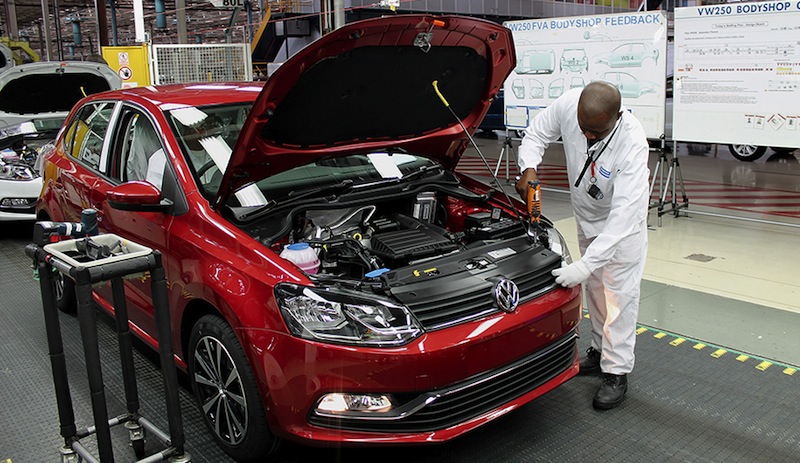
Volkswagen, the leading German automaker is aiming to double production and introduce a new model in Kenya. VW’s South Africa chief Thomas Schaefer told President Uhuru Kenyatta at a meeting that “the firm was exploring producing a second model in Kenya, possibly a hatchback – small SUV – while doubling production of the VW Polo Vivo to at least 300 vehicles,” Developing the automotive industry is the most important component of the President’s industrialization agenda. President Uhuru welcomed VW’s commitment to the development of its Kenya facility, saying that the country had a ready market for cars made in Kenya, provided that they were sold at affordable prices. “We will walk this journey with you to produce affordable cars. Our plea is that you price these vehicles reasonably,” the President said. President Uhuru added “We are very keen that our youth, a highly educated group, can get to work in a company of great technological sophistication as VW, which is why we welcome your plans to go full throttle to increase production,” He looks forward to a successful operation in Kenya, Nigeria and South Africa. Kenya aims to produce a major auto manufacturing plant, with the capacity to meet the supply needs of East and Central Africa. VW was set up in Kenya in 2016, and its first car was out less than a year later. In 2015, Japanese car manufacturer Toyota started assembling some models while last year, French automaker Peugeot started manufacturing cars in Kenya. Volkswagen opened a new assembly plant in Kenya in 2016 and launched plans for a ride-sharing service in Rwanda as it seeks to take advantage of surging car demand in Africa. "Overall car sales in Africa are bound to rise by 40 percent within the next five years, that is why we are expanding our business," said Volkswagen Brand CEO Herbert Diess. Passenger vehicles were Kenya's fourth-largest import and the volume of imported cars grew 300 percent in the last decade. Many of the imports are second-hand cars from Japan or the United Arab Emirates. PROJECT RWANDA Part of the project also involves the construction of an assembly plant in Kigali. Tiny Rwanda has no established vehicle industry, but it does have a population with an average of less than 20 years old and a commitment to clean energy. Volkswagen said it was also considering introducing electric cars into the country. "Rwanda is well-suited to be a pioneer of new mobility solutions as it has a population of young tech-savvy people and its capital Kigali is seen as the most connected city in Africa," said Schaefer. An investigation phase will last until May next year and the company aims to have the first cars assembled in Rwanda by the end of 2017. As in Kenya, the amount of the investment and production capacity have not been revealed. Deloitte sees Africa as the "final frontier" for the global automotive industry, with its enormous growth potential. The motorisation rate on the continent is only 44 vehicles per 1,000 inhabitants compared to a global average of 180 vehicles per 1,000 inhabitants. There were 300,000 cars in Rwanda last year, in a country of 12 million people, the CEO of the Rwanda Development Board, Clare Akamanzi, said as she welcomed the deal. Most of the cars on the roads are second-hand imports from countries such as Japan.
Michelin targets the market for tyres in East Africa
folder_open Auto Parts , East Africa , Tyre Suppliers
Michelin Tyres is targeting Africa to further consolidate its sales and distribution network in East Africa and has partnered with CFAO, a renowned distributor of industrial products with outlets and distribution networks all across Africa. The joint venture between Michelin Tyres and CFAO will oversee the import and distribution of high-quality tyres in Kenya and Uganda. A new company has been formed specially for this joint venture in which Michelin holds a 49 percent share and the remaining 51 percent are with CFAO. Administration of the new entity will be divided equally between Michelin Tyres and CFAO. The new company will supply tyres for both heavy duty as well as smaller vehicles. This will depend largely on the business relationships built by Michelin over the years. “With growth rates of 4.5 per cent for Uganda and 5.5 per cent for Kenya in 2017, these markets are very dynamic,” adds Richard Bielle, chairman and chief executive officer of CFAO. “As a result, they are of interest to the biggest players in the global industry. CFAO’s alliance with Michelin illustrates our know-how on the continent – providing our partners with immediate solutions to develop markets and to offer consumers high quality products and services.” This new development is just another case of Michelin's objective of acquiring a stake in the distribution channels of its closest competitors. One of Michelin's acquisitions Ihle Holding AG has also been used in the acquisitions of German-based whole sellers.They have also entered into a 50-50 partnership with Nex Tyres SL in a wholesale joint venture in Spain. The company announced another identical venture earlier this year in North America with Sumitomo Corporation to tap the markets in the US and Mexico. Tyre sales in East Africa have been rising over the years and have made East Africa an attractive market for tyre dealers, manufacturers and stockists. many tyre dealers in Dubai have been actively supplying all kinds of tyres, tubes and batteries to the East African markets like Kenya, Uganda, Tanzania, Rwanda, Burundi, Ethiopia and Sudan. As demand for tyres increases in East Africa, more and more multi-nationals are expected to enter the fray and expand their sales and distribution networks by appointing agents and distributors for their products.
Preliminary request for participation in the trade show
place
calendar_today
Preliminary request for visitor registration
Visitor Registration
place
calendar_today