

So Many People, So Little Land
As drought and famine threaten millions of lives in the horn of Africa, global food security — or rather insecurity — is at the forefront of development discourse. What’s more, Harvard University demographers forecast last week that before the end of the year, the world’s population will reach 7 billion. In light of these daunting statistics and what the United Nations is calling “the worst humanitarian disaster in the world,” one cannot help but wonder: how will the planet continue to feed itself?
To find an answer, international aid agencies are searching for the roots of famine. Some problems contribute more directly to food shortages than others — in the case of East Africa, climate change is severely restricting crop yields and driving up prices. Studies show that crop-killing droughts in Somalia have become more frequent and long-lasting over the past fifty years. From 1950 to 1970, they came roughly once every seven years. Since 2000, Somalia has suffered three major droughts.

But as the world grapples with and tries to learn from the East African famine, experts are arguing that food shortages and high prices in the developing world are also attributable to a lower-profile issue: irresponsible land use.
For instance, in recent years the Ethiopian and Kenyan governments have evicted local farmers to sell their land to agribusinesses from China and India. While these sales generate governmental revenue, the agribusinesses generally produce solely for foreign markets and leave local food markets strained. A report by the International Food Policy Research Institute announced that between 15 and 20 million hectares of farmland in Sub-Saharan Africa were sold to foreign interests between 2006 and 2009.
Another hot-button land issue in the developing world stems from the expansion of the global biofuels industry. In another type of land deal, governments are leasing available farmland to biofuel plants, forgoing traditional agricultural production and driving up food prices both locally and globally. During the international food crisis of 2008, for example, the IMF estimated that increased biofuel demand accounted for 70 percent of global corn price increases and 40 percent of soybean price increases.
So while land deals provide income for developing nations, unless that income is re-invested in infrastructural or agricultural development (which it often isn’t), they may leave populations vulnerable to famine during emergencies like the East African drought.
To combat short-term thinking and its adverse effects, we have to demonstrate the benefits of long-term investment in responsible land use. CI is making the case for sustainability as a top priority in field program countries through participatory land use planning, a process which encourages local input in determining the best use of land from both conservation and economic perspectives.
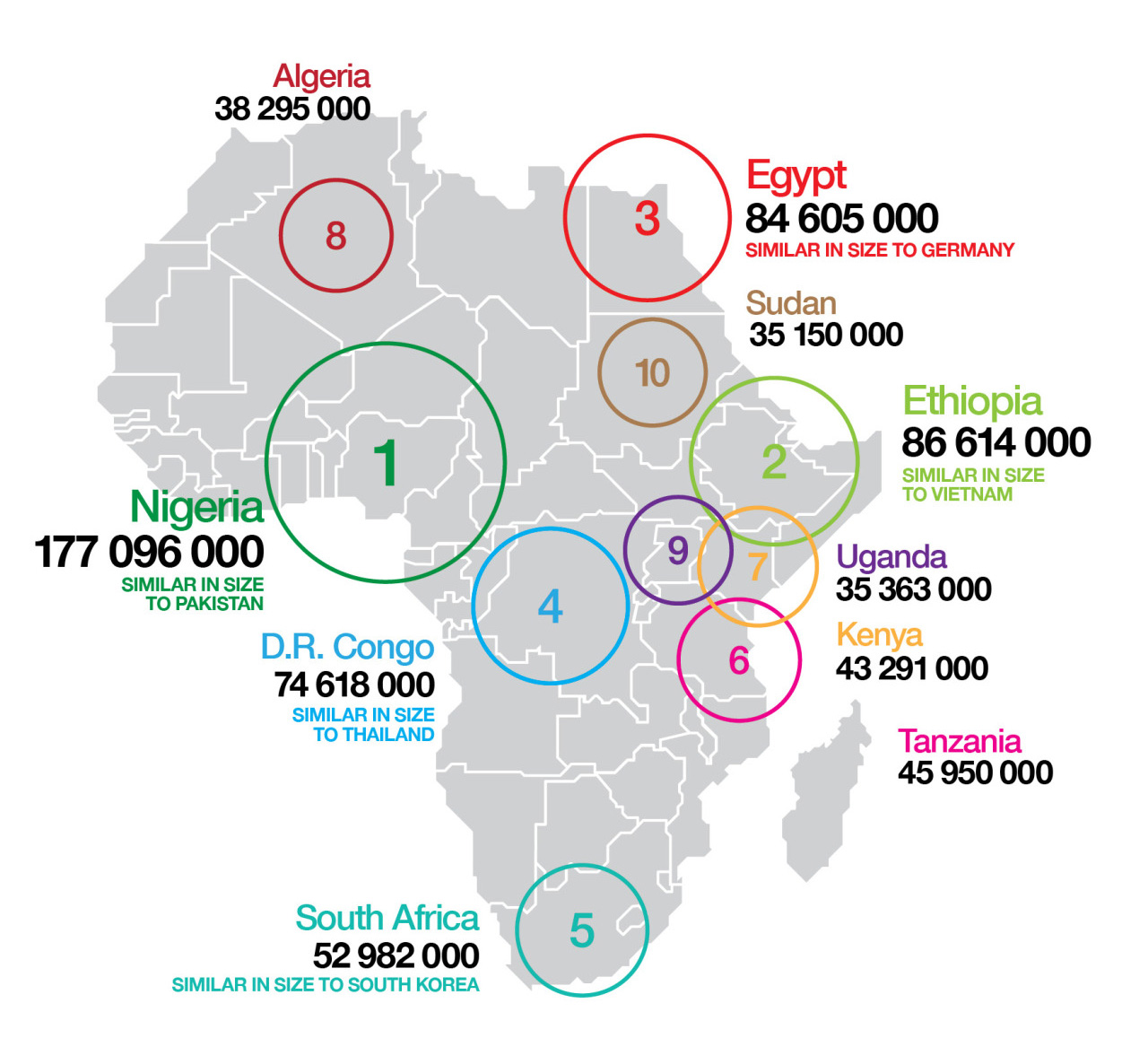
To put the food security issue in perspective, Harvard’s research predicted that 97 percent of the projected population increase of 2.3 billion over the next half-century will occur in underdeveloped nations. The population may be surging, but we have a fixed amount of land to work with. Managing it with a short-term mindset only creates problems down the road. We have a lot of work to do — 2050 is just two generations away.